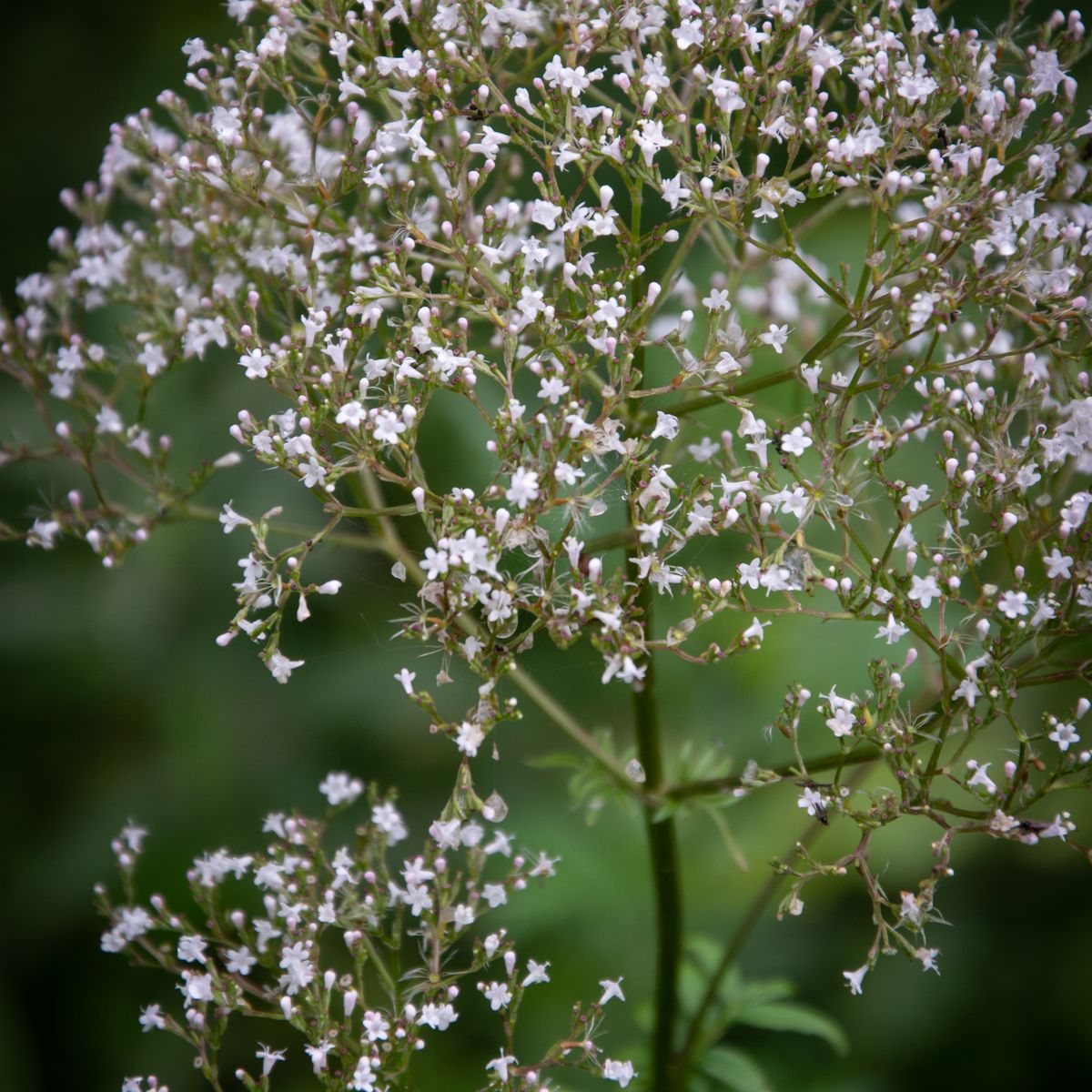
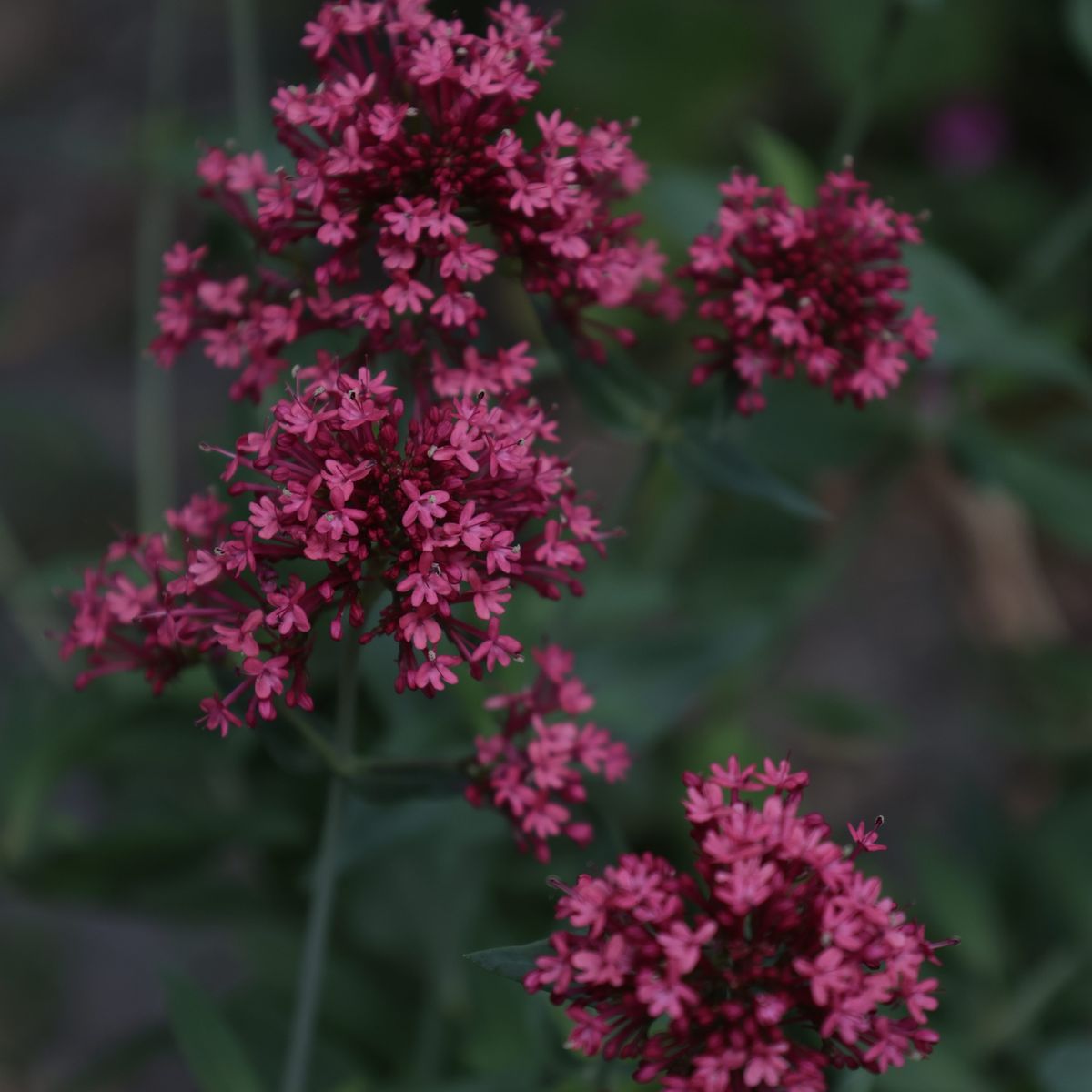
Valériane, fleurs violettes en grappe

Powerful and deeply rooted, the plant of restless nights

Valerian: Origin, History, Symbolism, and Tradition

Valerian is a European plant whose powerfully scented root is traditionally brewed in the evening to aid relaxation.

Valerian in brief

Botanical family Caprifoliaceae
Botanical name Valeriana officinalis
Part used Root
Main active compounds Valerenic acid
Color / appearance Brown root, strong odor
Main origin Europe, Western Asia

History

Valerian has been used since ancient Greek times, mentioned by Hippocrates and Galen. Its name is thought to come from the Latin "valere" (to be healthy), or according to other sources, from the name of an ancient Roman province. During World War II, it was used in England to soothe the stress of civilian populations during bombings.

Abeille sur fleur de valeriana officinalis

Virtues & Symbolism according to Tradition

Traditional Mental Uses

Traditionally, valerian is associated with deep soothing and relaxation. It is credited with the ability to calm intense mental agitation and promote sleep in cases of nervousness.

Traditional Physical Uses

Internal dimension (tradition)

In traditional representations of the energy body, valerian is associated with the root chakra, a symbol of grounding and deep rest.

Associated element(s)

In botanical traditions, valerian is associated with the Earth element, echoing its powerful root.

Associations

Valerian is traditionally combined in different ways depending on the desired effect:

For deep soothing:
– Hawthorn: traditional duo for heart and sleep
– Passionflower: soothing reinforcement

For relaxation:
– Chamomile: complementary gentleness
– Linden: complementary calmness

Symbolism

  • Deep appeasement
  • Relaxation
  • Rest
  • Grounding

Traditions

Do not confuse with

Common valerian is sometimes confused with other species of the same genus whose properties are less well documented; it can be recognized by its very strong and characteristic odor, often considered unpleasant.

Best Provenances

Eastern Europe and France remain traditional valerian harvesting regions.

Frequently Asked Questions

Why does valerian root smell so strong?

Its powerful and particular odor, often deemed unpleasant, is due to its characteristic active compounds, notably valerenic acid.

Where does the name "valerian" come from?

It would come from the Latin "valere" (to be in good health), or according to other sources, from the name of an ancient Roman province.

Has valerian been used in times of war?

Yes, during World War II, it was used in England to alleviate the stress of civilians during the bombings.

How to store valerian root?

In a tightly sealed airtight container, due to its powerful odor which can easily permeate other products stored nearby.

Fleurs d'herbe de valérianeFleurs de valériane roses en pleine floraisonFleurs d'herbe de valérianeFleurs de valériane roses en pleine floraison

Did you know?

Despite its smell, which is not appreciated by humans, valerian root holds a particular attraction for cats, an effect similar to that of catnip, documented for centuries.

Sources & references

Information gathered from general botany books and resources on traditional European plants.

The information presented here is for cultural and traditional purposes only. It does not constitute medical advice or a guarantee of therapeutic effect. In case of physical or psychological distress, consult a healthcare professional. This is especially important during pregnancy, breastfeeding, ongoing medical treatment, or for use in children.