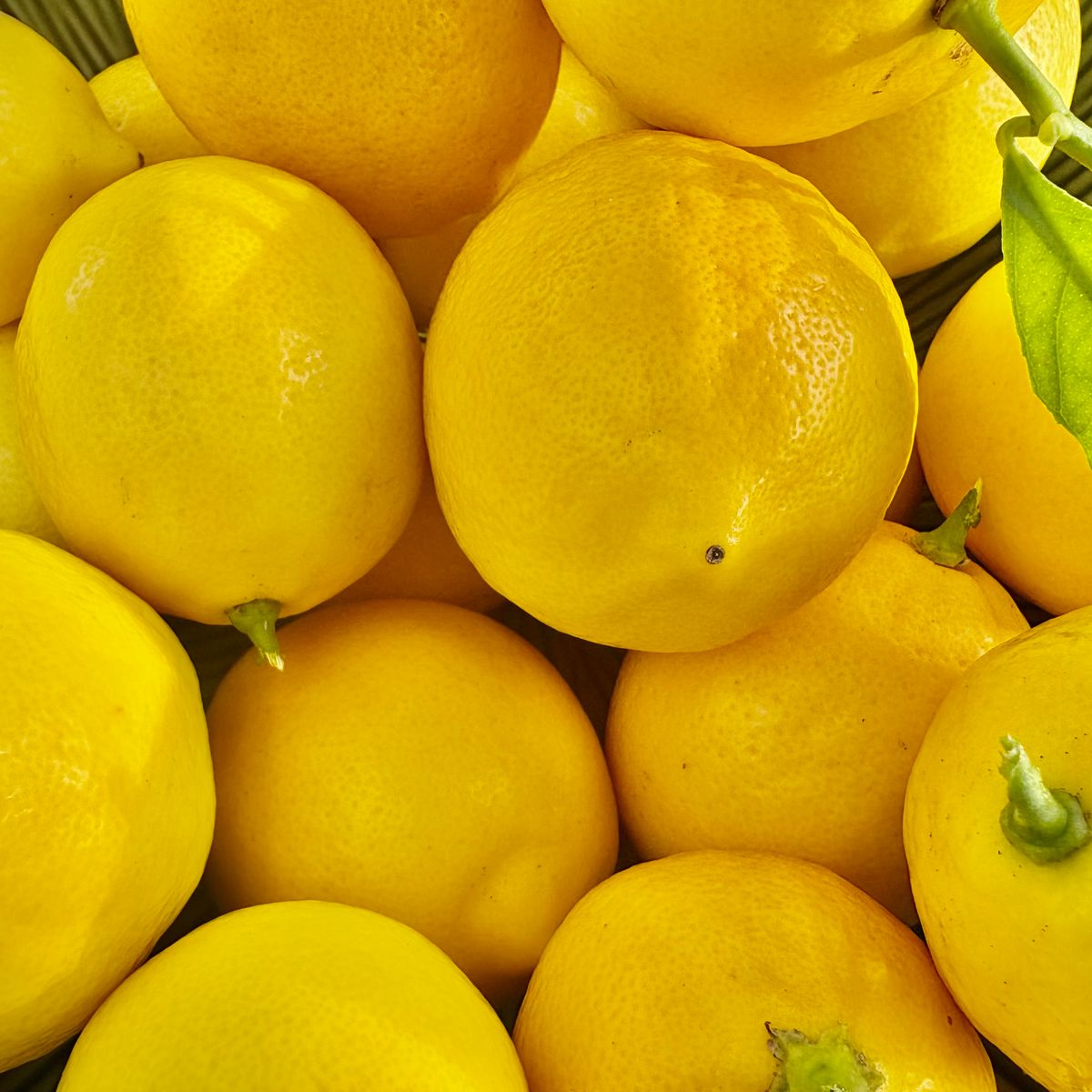
Citron, gros plan avec feuilles

Radiant and purifying, the citrus fruit with a thousand traditional virtues

Lemon: origin, history, symbolism, and tradition

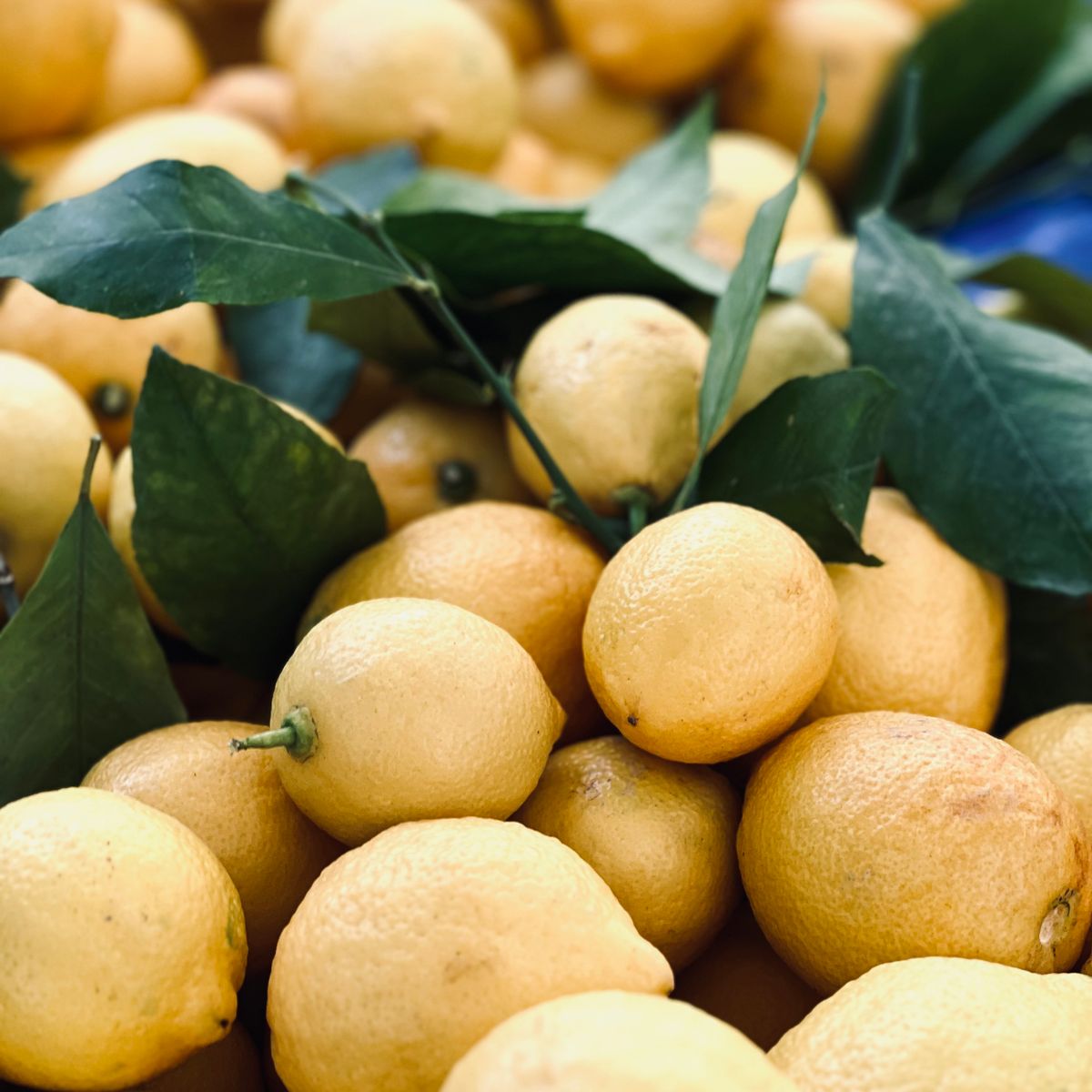
The lemon is a citrus fruit native to South Asia, recognizable by its bright yellow zest and its very characteristic fresh and tangy scent.

Lemon at a glance

Botanical family Rutaceae
Botanical name Citrus limon
Part used Fruit zest
Main active compounds Limonene, citral
Colour / appearance Bright yellow zest
Main origin South Asia (India, Himalayas)

History

Lemons are thought to have originated in the foothills of the Himalayas, cultivated in South Asia since ancient times before being introduced to the Mediterranean basin by the Arabs in the Middle Ages. They became essential in the British Navy from the 18th century onwards, distributed to sailors to prevent scurvy during long voyages.

Citron, vue de dessus avec feuilles

Virtues & Symbolism according to Tradition

Traditional Mental Uses

Traditionally, the lemon is associated with clarity and symbolic purification. It is credited with the ability to energize the mind and dispel mental confusion.

Traditional Physical Uses

Internal dimension (tradition)

In traditional representations of the energy body, the lemon is associated with the solar plexus chakra, a symbol of clarity and purification.

Associated element(s)

In botanical traditions, the lemon is associated with the element of Water, echoing its purifying freshness.

Associations

Lemon is traditionally combined in different ways depending on the desired effect:

For clarity:
– Peppermint: complementary freshness
– Rosemary: mental structuring

For energizing freshness:
– Grapefruit: lively contrast
– Lime: invigorating citrus duo

Symbolism

  • Clarity
  • Symbolic purification
  • Freshness
  • Dynamism

Traditions

Do not confuse with

Lemon is sometimes confused with lime due to their similar names; classic lemon has a yellow peel and a more tart taste, while lime has a green peel and a more tropical and floral aroma.

Best Provenances

Italy (Sicily, Amalfi Coast) and Spain remain historical benchmarks for quality lemons.

Frequently Asked Questions

Why were lemons distributed to sailors?

From the 18th century, the British Navy used it to prevent scurvy during long voyages, its richness in vitamin C being beneficial in this context.

What's the difference between a lemon and a lime?

The classic lemon has yellow skin and a tart taste, while the lime has green skin and a more tropical, floral aroma.

Where does the lemon come from?

It is said to originate from the foothills of the Himalayas, cultivated in South Asia since antiquity before being introduced to the Mediterranean by the Arabs in the Middle Ages.

How to use lemon zest?

In an infusion or to flavor dishes and drinks, a few pieces are enough to add a bright and fresh note.

Citron, avec une feuille verteCitrons mûrs avec feuillesCitron, avec une feuille verteCitrons mûrs avec feuilles

Did you know?

The English term "limey", used to refer to British sailors, is said to come from the systematic distribution of lemons (or limes) aboard Royal Navy ships to prevent scurvy.

Sources & references

Information cross-referenced from general botany works and resources on traditional citrus.

The information presented here is for cultural and traditional purposes only. It does not constitute medical advice or a guarantee of therapeutic effect. In case of physical or psychological distress, consult a healthcare professional. This is especially important during pregnancy, breastfeeding, ongoing medical treatment, or for use in children.