

Gray-green and wise, the plant that has "saved" since Antiquity
Sage: Origin, History, Symbolism, and Tradition
Sage in brief
| Botanical family | Lamiaceae |
| Botanical name | Salvia officinalis |
| Part used | Leaves |
| Main active compounds | Thuyone, cineole |
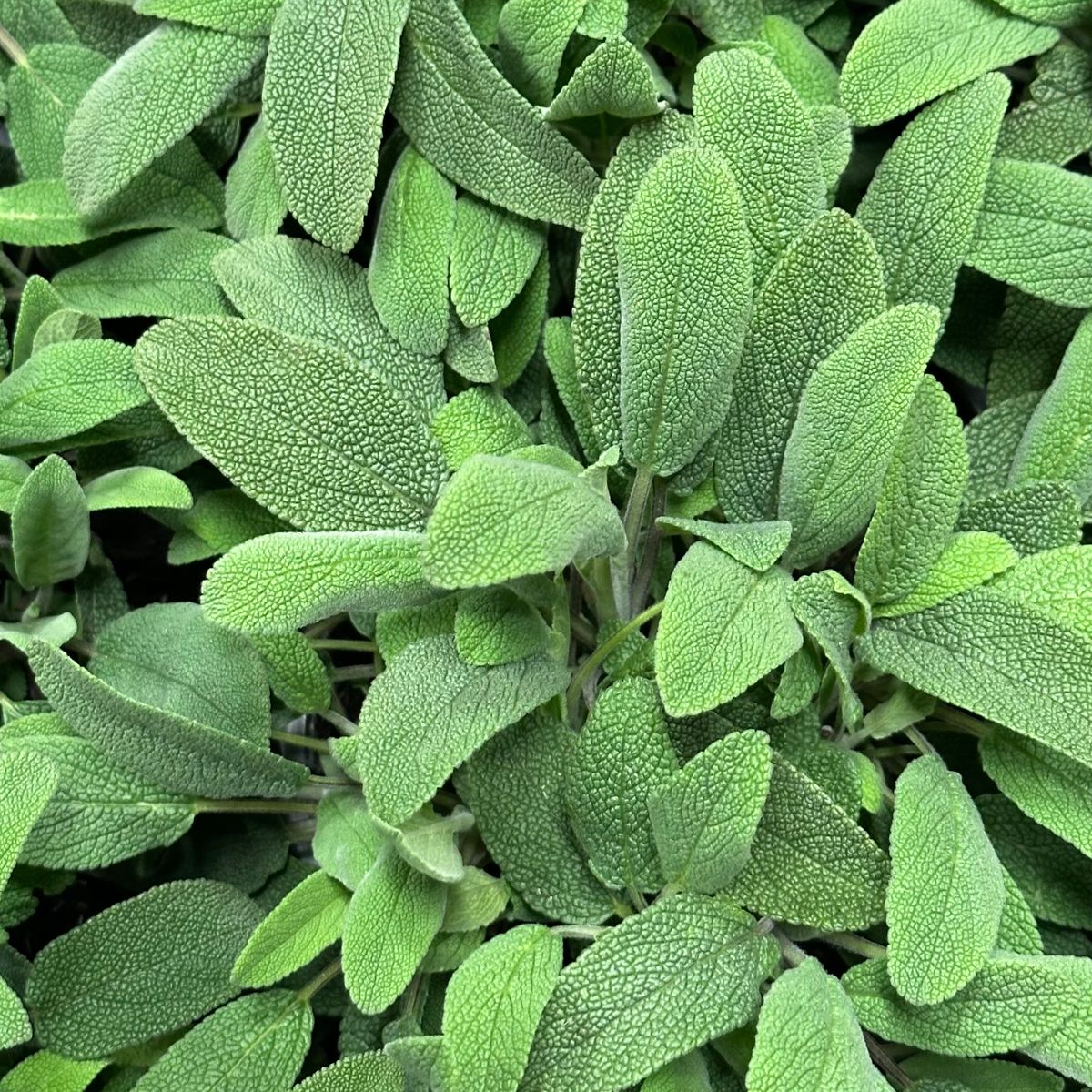
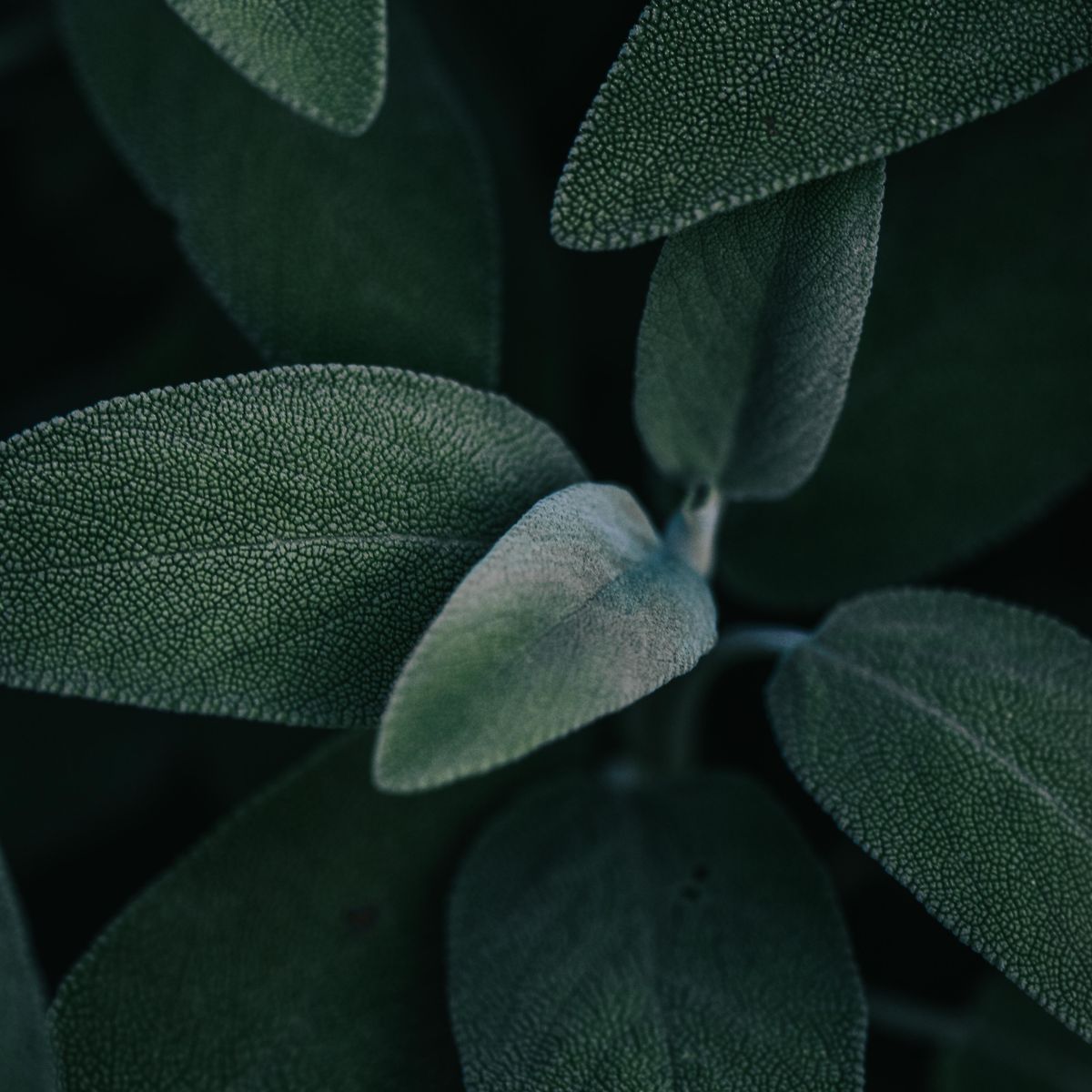
| Color / appearance | Downy grey-green leaves |
| Main origin | Mediterranean basin |
History

Virtues & Symbolism according to Tradition
Traditional Mental Uses
Traditional Physical Uses
Internal dimension (tradition)
Associated element(s)
Associations
Symbolism
Traditions

Do not confuse with

Best Provenances
Frequently Asked Questions
Where does the name "sage" come from?
Why was sage so renowned in the Middle Ages?
What's the difference between common sage and white sage?
Can sage be consumed every day?
Did you know?
Sources & references
The information presented here is for cultural and traditional purposes only. It does not constitute medical advice or a guarantee of therapeutic effect. In case of physical or psychological distress, consult a healthcare professional. This is especially important during pregnancy, breastfeeding, ongoing medical treatment, or for use in children.