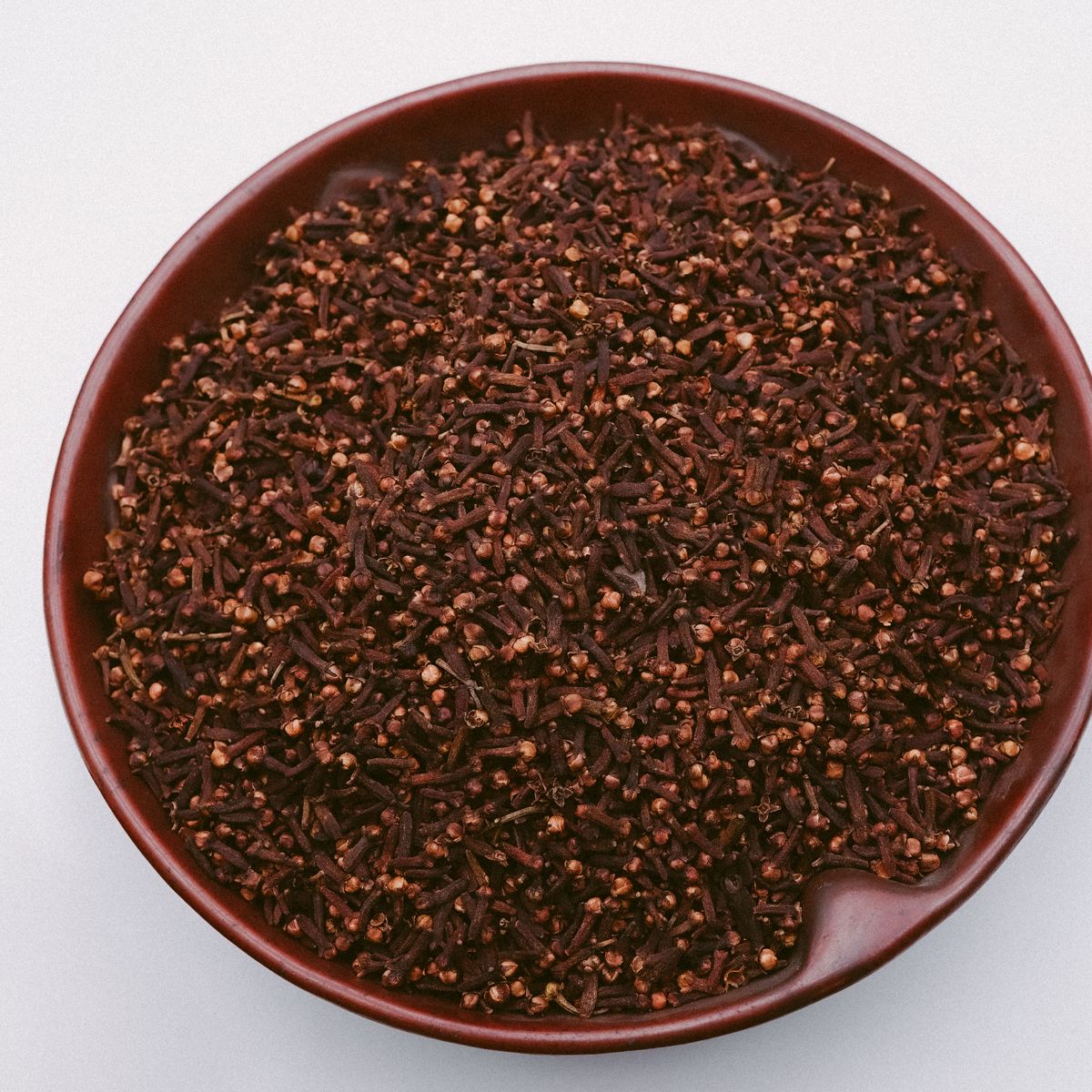
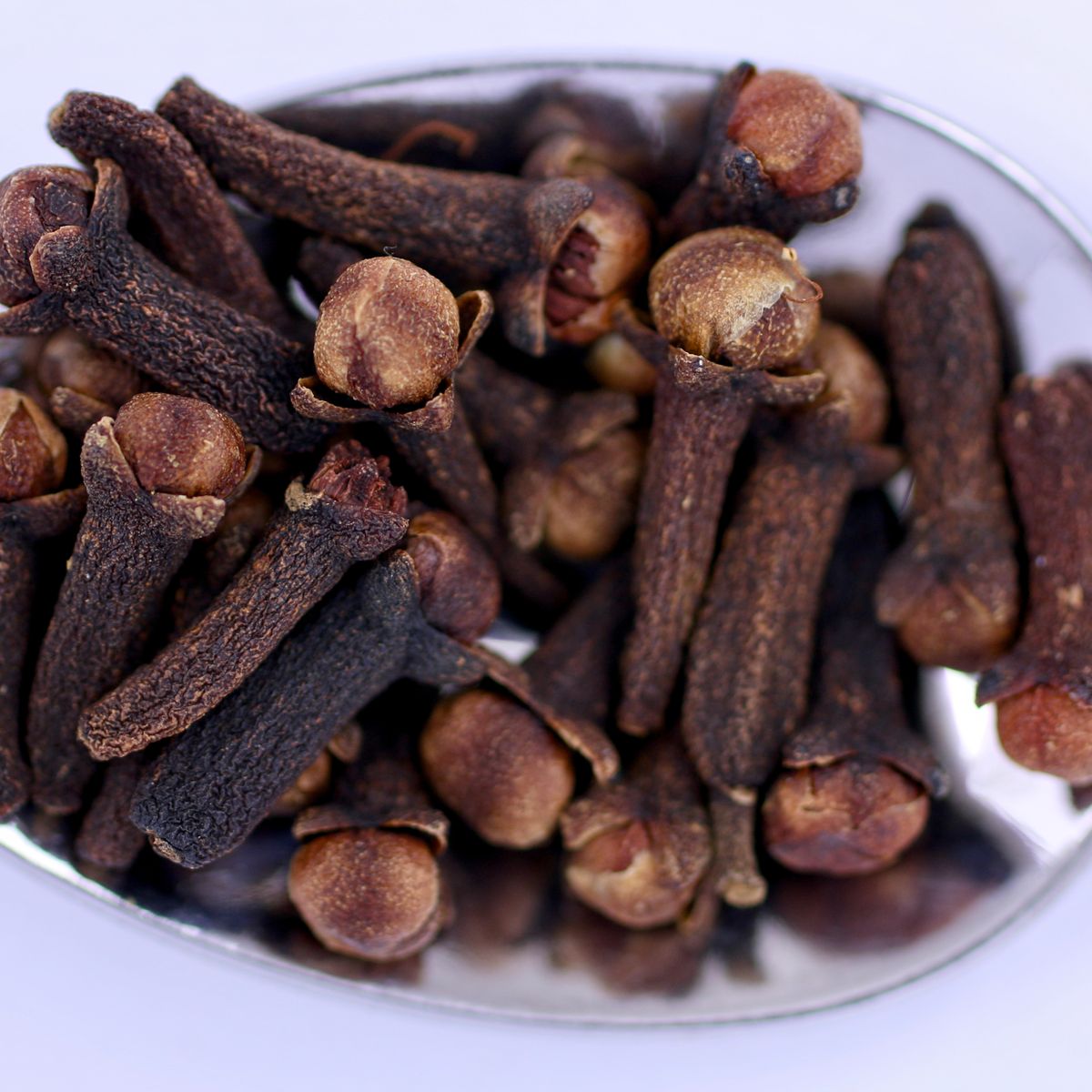
Clous de girofle séchés en gros plan

Spicy and powerful, the gold of the Moluccas

Clove: Origin, History, Symbolism, and Tradition

A clove is the dried flower bud of a tropical tree, recognizable by its small brown nail-like shape and its warm, potent fragrance.

Clove at a glance

Botanical family Myrtaceae
Botanical name Syzygium aromaticum
Part used Dried flower buds
Main active compounds Eugenol
Color / appearance Small, dark brown, nail-shaped buds
Main origin Indonesia (Moluccan Islands), Madagascar, Zanzibar

History

Originating in the Moluccas in Indonesia, cloves were already known in China over 2000 years ago, where courtiers had to chew them before addressing the emperor to freshen their breath. Their trade spurred fierce competition among European powers (Portugal, the Netherlands) to control the Moluccas, then known as the "Spice Islands."

Clous de girofle sur surface grise

Virtues & Symbolism according to Tradition

Traditional Mental Uses

Traditionally, cloves are associated with warmth and protection. They are believed to enhance self-confidence and to warm up the atmosphere of a place.

Traditional Physical Uses

Internal dimension (tradition)

In traditional representations of the energy body, clove is associated with the sacral chakra, a symbol of warmth and vitality.

Associated element(s)

In botanical traditions, cloves are associated with the element of Fire, reflecting their warm and spicy flavor.

Associations

Clove is traditionally combined in different ways depending on the desired effect:

For warmth and protection:
– Cinnamon: traditional spicy duo
– Ginger: vitality booster

For abundance:
– Orange: freshness and generosity
– Vanilla: complementary sweetness

Symbolism

  • Warmth
  • Protection
  • Abundance
  • Self-confidence

Traditions

Do not confuse with

Cloves are sometimes confused with star anise due to their similar use in winter baking; cloves are nail-shaped and have a much more intense and pungent taste than star anise, which is milder and licorice-like.

Best Provenances

Madagascar and Indonesia are currently the main global producers, with Zanzibar historically associated with reference quality.

Frequently Asked Questions

Where do cloves come from?

It is native to the Maluku Islands in Indonesia, long known as the "Spice Islands" due to their importance in the global spice trade.

Why does a clove have this particular shape?

It is actually the tree's floral bud, harvested before it blossoms and then sun-dried, which gives it its characteristic small clove shape.

How to recognize good quality cloves?

It should feel oily to the touch and release a fragrant oil if lightly pressed with a fingernail, a sign of good essential oil content.

Does clove keep for a long time?

Yes, whole cloves keep for several years, much longer than ground cloves, which quickly lose their aroma.

Clous de girofle dans un bol en céramiqueClous de girofle sur cuillèreClous de girofle dans un bol en céramiqueClous de girofle sur cuillère

Did you know?

In ancient China, courtiers had to chew cloves before addressing the emperor, in order to freshen their breath in his presence.

Sources & references

Information compiled from general botany works and resources on traditional spices.

The information presented here is for cultural and traditional purposes only. It does not constitute medical advice or a guarantee of therapeutic effect. In case of physical or psychological distress, consult a healthcare professional. This is especially important during pregnancy, breastfeeding, ongoing medical treatment, or for use in children.