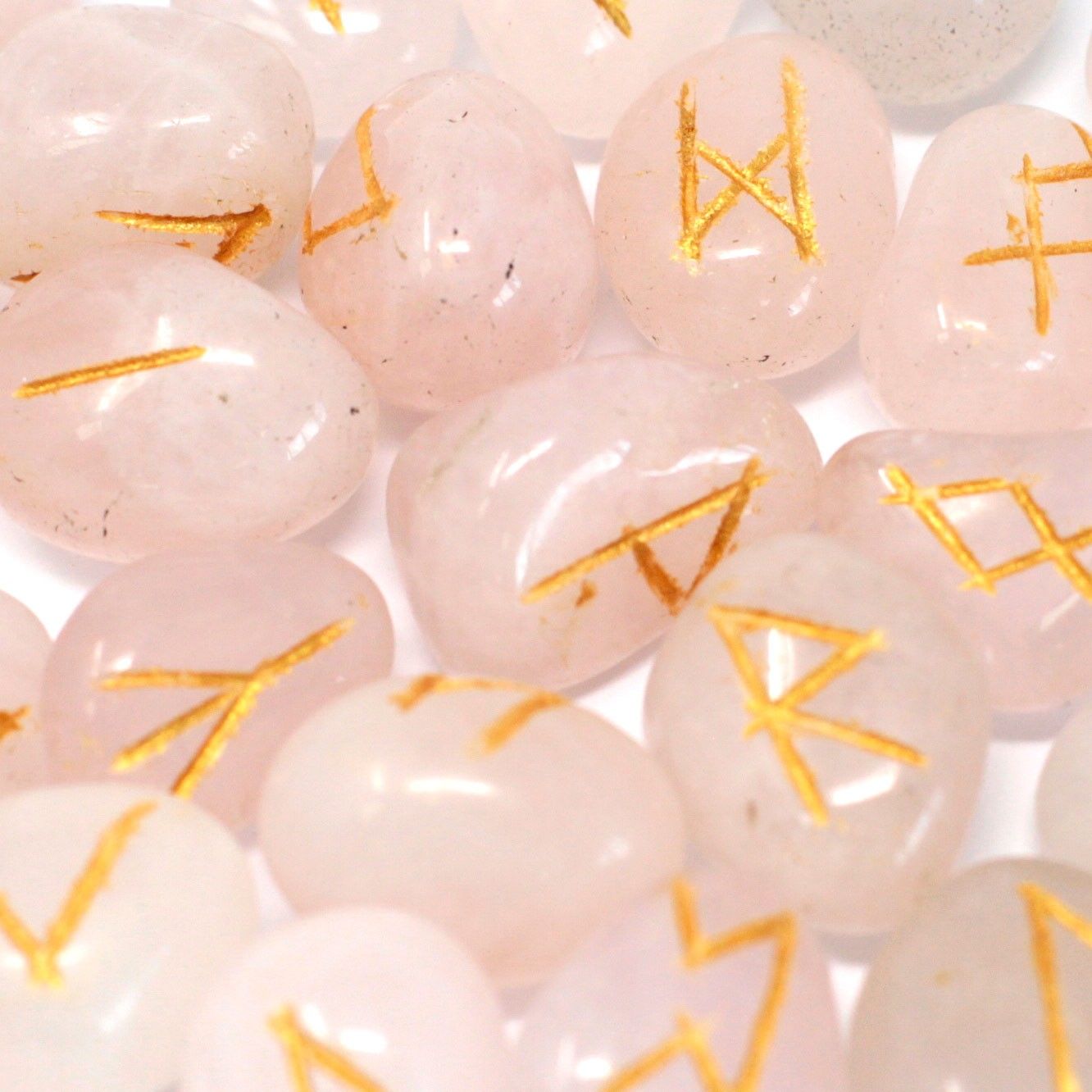
Pink and gentle, stone of love and tenderness

Rose Quartz: Origin, History, Symbolism, and Tradition

Rose quartz is a variety of quartz recognizable by its soft pink hue, from pale to deep, and has been mined and appreciated for over 7000 years.

Rose Quartz in brief

Mineral Group Quartz
Composition Silicon dioxide, traces of titanium, iron, or manganese
Hardness 7 on the Mohs scale
Crystal System Trigonal
Colors Pale pink to deep pink, translucent to opaque
Main Origin Brazil, Madagascar, India, United States

History of the stone

Rose quartz has been used since ancient Egyptian times, where it adorned masks and jewelry believed to preserve facial beauty, according to certain beliefs. Fragments of rose quartz used in cosmetics and jewelry have been found at Mesopotamian archaeological sites over 7,000 years old, making this stone one of the oldest exploited by humans. The Romans also used it to engrave seals and jewelry.

Origin & Composition

Rose quartz owes its color to traces of titanium, iron, or manganese, depending on the deposit. More recent research also suggests the role of micro-inclusions of another mineral, dumortierite, in some pieces. It can be translucent or more opaque depending on the concentration of these inclusions.

Virtues & Symbolism According to Tradition

Traditional Mental Uses

Traditionally, rose quartz is associated with love, tenderness, and compassion towards oneself and others. It is believed to have the ability to soothe sorrows, encourage forgiveness after a breakup or loss, and strengthen self-esteem. It is also linked to gentleness in relationships and the opening of the heart after a period of emotional closure.

Traditional physical uses

Internal dimension (tradition)

In traditional representations of the energetic body, rose quartz is associated with the heart chakra, a symbol of unconditional love and gentleness towards oneself.

Associated astrological sign(s)

In certain Western traditions, rose quartz is typically associated with the zodiac signs of Taurus and Libra—a symbolic association to be taken as a nod rather than a rule.

Stone associations

Rose quartz is traditionally combined in different ways depending on the desired effect:

For love and tenderness:
– Rhodonite: traditional duo associated with emotional appeasement
– Amazonite: complementary harmony and communication

For self-esteem:
– Citrine: confidence and joy
– Aventurine: complementary optimism

Interview

Physical cleaning: a rinse with clear water and a soft cloth are sufficient. With a hardness of 7 on the Mohs scale, rose quartz is quite durable for daily use. Avoid prolonged and intense exposure to the sun, which can slightly fade its hue over time.

Symbolism

  • Unconditional love
  • Tenderness
  • Compassion
  • Self-esteem

Traditions

Do not confuse with

Natural rose quartz often has a pale, slightly cloudy hue due to its inclusions, while some glass or resin imitations display a brighter and perfectly transparent pink color.

Top provenances

Brazil and Madagascar are the world's leading producers, offering beautiful translucent to opaque pieces.

Frequently Asked Questions

Why is rose quartz associated with love?

This association dates back to antiquity, where the stone was already used in Egypt and Mesopotamia in beauty and wellness contexts, reinforced over the centuries by its soft hue evoking tenderness.

What is the origin of rose quartz's pink color?

It comes from traces of titanium, iron or manganese depending on the deposits, although more recent research also mentions micro-inclusions of another mineral, dumortierite.

Is rose quartz always translucent?

No, it can be translucent or more opaque depending on the deposits and the concentration of inclusions responsible for its color.

Does rose quartz fear the sun?

Prolonged and intense exposure may slightly fade its pink hue on some pieces over time.

Arbre en quartz rose posé dans une main avec base rose et pierres délicates symbolisant amour et douceurdetails des runes quartz rose avec symboles gravesArbre en quartz rose posé dans une main avec base rose et pierres délicates symbolisant amour et douceurdetails des runes quartz rose avec symboles graves

Did you know?

Rose quartz fragments, used in cosmetics and jewelry, have been found at Mesopotamian archaeological sites over 7000 years old, making this stone one of the earliest exploited by humankind.

Sources & References

Information cross-referenced from general gemology books and Earth sciences museum resources (Muséum national d'Histoire naturelle, reference books on mineralogy).

The information presented here is for cultural, historical, and decorative purposes only. It does not constitute medical advice or a guarantee of therapeutic effect. In case of physical or psychological distress, consult a healthcare professional.