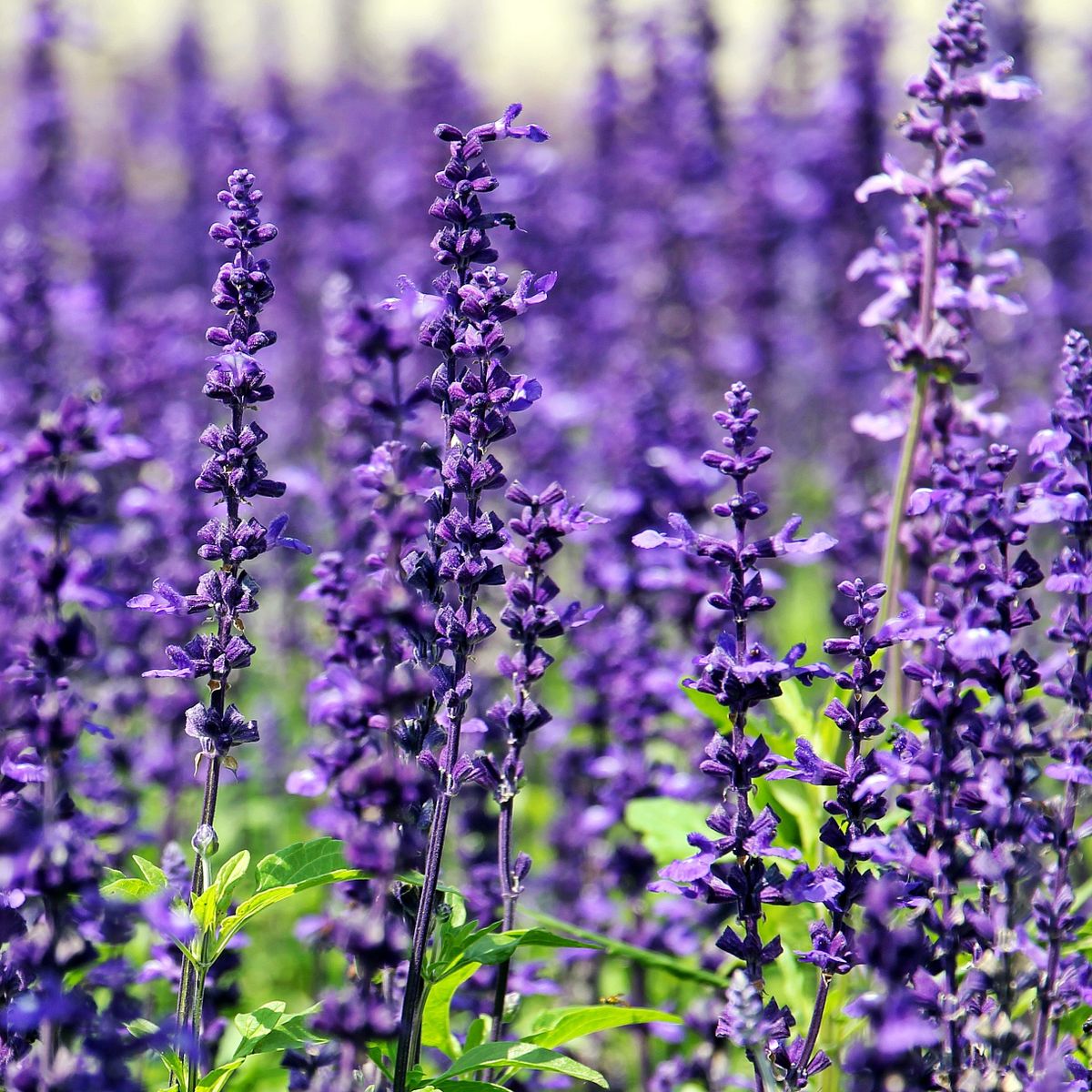
Épis de lavande en fleur, gros plan

Violet and soothing, the emblematic flower of Provence

Lavender: Origin, History, Symbolism, and Tradition

Lavender is an aromatic plant recognizable by its purple spikes and characteristic scent, emblematic of the Provençal landscapes.

Lavender at a glance

Botanical Family Lamiaceae
Botanical Name Lavandula angustifolia
Part Used Flowers (flowering tops)
Main Active Compounds Linalool, Linalyl acetate
Color / Appearance Violet to blue-mauve spikes, silvery foliage
Main Origin Provence, Bulgaria, Mediterranean Basin

History

Lavender has been cultivated since Roman antiquity, which used it to perfume public bathwater—its name is, in fact, thought to come from the Latin "lavare" (to wash). It then spread widely in Provence from the Middle Ages onwards, where the Mediterranean climate and limestone soils are particularly favorable to it. In the 20th century, it became one of the region's most recognizable floral symbols, with its blooming fields photographed worldwide every summer.

Fleurs de lavande en pot, gros plan

Virtues & Symbolism according to Tradition

Traditional Mental Uses

Traditionally, lavender is associated with soothing and relaxation. It is believed to have the ability to calm a restless mind, promote sleep, and accompany moments of rest after a busy day.

Traditional Physical Uses

Internal dimension (tradition)

In traditional representations of the energetic body, lavender is associated with clarity and serenity, a fragrance often used in zen decor to create a peaceful atmosphere.

Associated element(s)

In ancient botanical traditions, lavender is associated with the element Air, linked to its lightness and quickly diffused fragrance — a symbolic association to be taken as a nod rather than a rule.

Associations

Lavender is traditionally combined in different ways depending on the desired effect:

For soothing and sleep:
– Chamomile: a classic duo associated with evening relaxation
– Sandalwood: enhances a warm and enveloping atmosphere

For freshness and clarity:
– Peppermint: a revitalizing contrast
– Lemon: a bright and energizing combination

Symbolism

  • Soothing
  • Purity
  • Serenity
  • Rest

Traditions

Do not confuse with

True lavender (Lavandula angustifolia) is sometimes confused with lavandin, a more productive hybrid with a more camphoraceous and less refined fragrance, widely used in industrial cosmetics due to its lower production cost.

Best Provenances

Provence remains the historical and qualitative benchmark, particularly the high plateaus of Vaucluse. Bulgaria is now the world's leading producer by volume, especially for essential oil.

Frequently Asked Questions

Why does lavender repel moths?

Its powerful scent is traditionally used to repel clothes moths, an ancient practice still common today in the form of sachets.

What is the difference between lavender and lavandin?

True lavender has a finer fragrance and grows at high altitudes; lavandin, a more productive hybrid, has a more camphorated scent and grows at lower altitudes.

Does lavender bloom all year round?

No, flowering occurs in summer, generally from June to August depending on the region and altitude.

Can you easily grow lavender at home?
Yes, it's a hardy plant that enjoys sun and well-drained soil, and is not very water-intensive once established.

Lavande en gros plan, photographie douceChamp de lavande en pleine floraisonLavande en gros plan, photographie douceChamp de lavande en pleine floraison

Did you know?

The name "lavender" is thought to come from the Latin "lavare" (to wash), in reference to its ancient use for perfuming Roman bathwater — a practice that continues today in bath and body products.

Sources & references

Information gathered from general botany books and resources on traditional aromatic and medicinal plants.

The information presented here is for cultural and traditional purposes only. It does not constitute medical advice or a guarantee of therapeutic effect. In case of physical or psychological distress, consult a healthcare professional. This is especially important during pregnancy, breastfeeding, ongoing medical treatment, or for use in children.