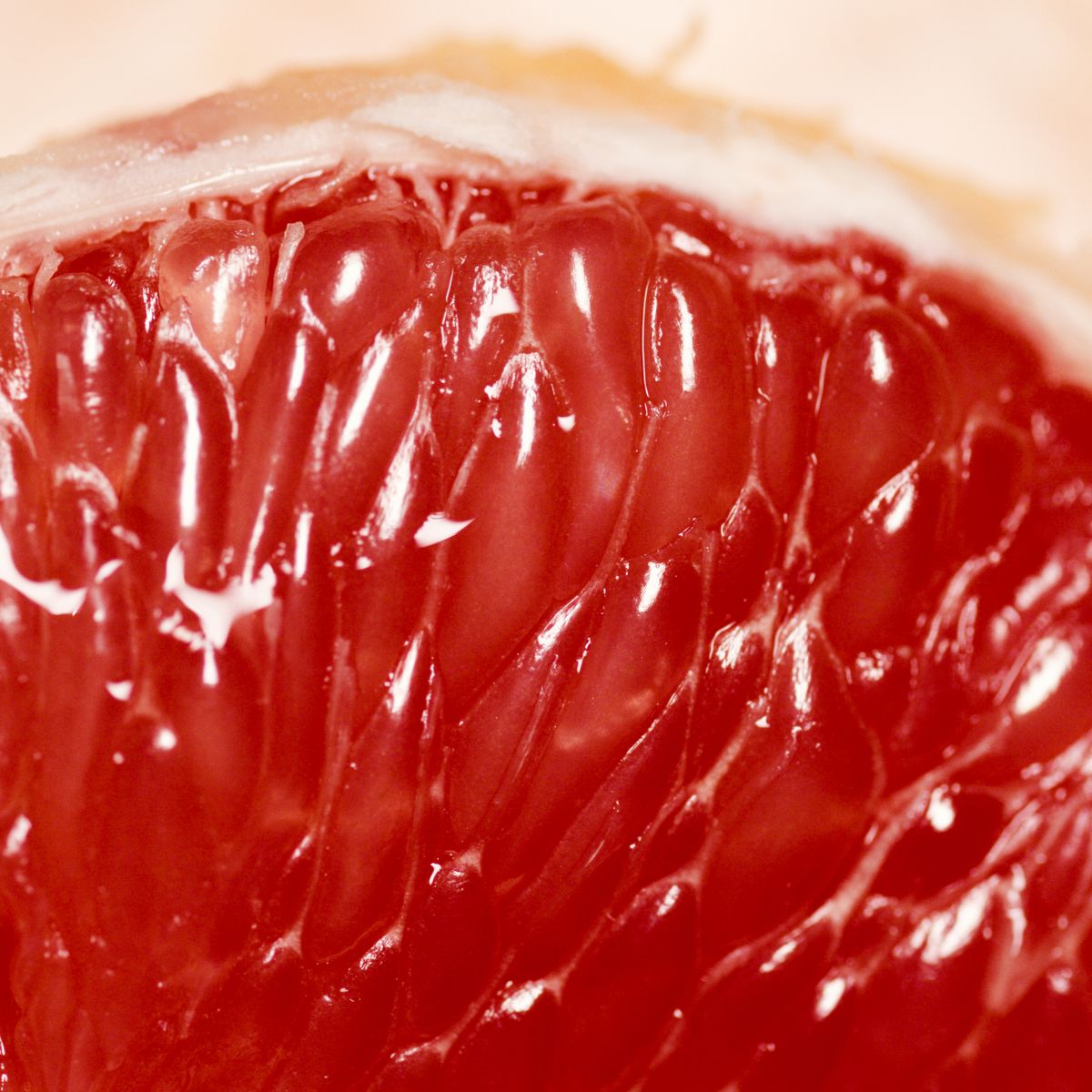
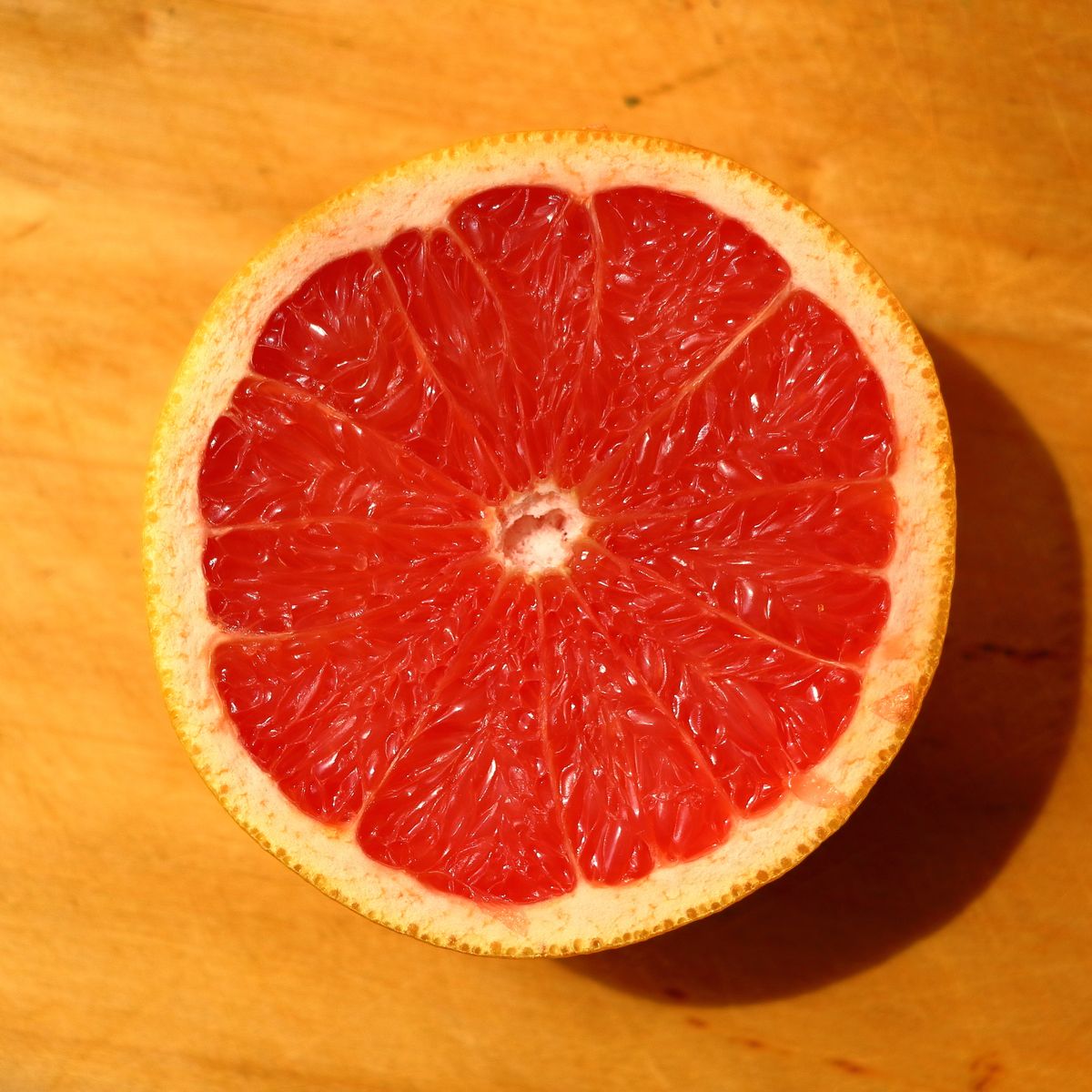
Pamplemousse, gros plan tranché

Vivid and zesty, the citrus fruit born by chance in the Caribbean

Grapefruit: Origin, History, Symbolism, and Tradition

Grapefruit is a citrus fruit resulting from a natural crossbreed that occurred in the Caribbean, recognizable by its fresh, slightly bitter, and invigorating aroma.

Grapefruit at a glance

Botanical family Rutaceae
Botanical name Citrus × paradisi
Part used Fruit peel
Main active compounds Limonene, nootkatone
Color / appearance Yellow to pink peel depending on the variety
Main origin Caribbean, United States (Florida), Israel

History

Grapefruit originated in the 18th century in Barbados, the result of a spontaneous natural cross between a pomelo and a sweet orange. It was then introduced to Florida in the 19th century, where its commercial cultivation rapidly developed to become one of the most iconic producing regions in the world.

Pamplemousse, deux moitiés fraîches

Virtues & Symbolism according to Tradition

Traditional Mental Uses

Traditionally, grapefruit is associated with vitality and clarity. It is believed to have the ability to energize the mind and dispel mental fogginess.

Traditional Physical Uses

Internal dimension (tradition)

In traditional representations of the energy body, grapefruit is associated with the solar plexus chakra, a symbol of vitality and confidence.

Associated element(s)

In botanical traditions, grapefruit is associated with the Fire element, echoing its invigorating freshness.

Associations

Grapefruit is traditionally combined in different ways depending on the desired effect:

For vitality:
– Ginger: energizing hot-cold duo
– Orange: sunny reinforcement

For clarity:
– Lemon: luminous contrast
– Peppermint: complementary freshness

Symbolism

  • Vitality
  • Clarity
  • Freshness
  • Dynamism

Traditions

Do not confuse with

Grapefruit is often confused with pomelo, its close relative; true grapefruit (Citrus grandis) is larger and less sweet, whereas what is generally found commercially under that name is actually pomelo (Citrus paradisi).

Best Provenances

Florida remains historically associated with grapefruit cultivation, with Israel and the Caribbean as significant producers.

Frequently Asked Questions

Where do grapefruits come from?

It appeared in the 18th century in Barbados, a spontaneous natural cross between the pomelo and the sweet orange.

What is the difference between grapefruit and pomelo?

The true grapefruit is larger and less sweet; what is generally found commercially under this name is actually the pomelo.

Why is zest used instead of pulp?

The zest contains the majority of the fruit's aromatic essential oils, making it the preferred part for perfumery and essential oil extraction.

Is grapefruit easy to grow?

It requires a mild, warm subtropical climate year-round, which limits its cultivation to certain regions of the world.

Pamplemousse, macro sur la pulpePamplemousse, moitié fraîche sur boisPamplemousse, macro sur la pulpePamplemousse, moitié fraîche sur bois

Did you know?

Grapefruit is one of the few citrus fruits born from a spontaneous natural cross rather than intentional cultivation, discovered by chance in an 18th-century Barbadian orchard.

Sources & references

Information gathered from general botany works and traditional citrus resources.

The information presented here is for cultural and traditional purposes only. It does not constitute medical advice or a guarantee of therapeutic effect. In case of physical or psychological distress, consult a healthcare professional. This is especially important during pregnancy, breastfeeding, ongoing medical treatment, or for use in children.