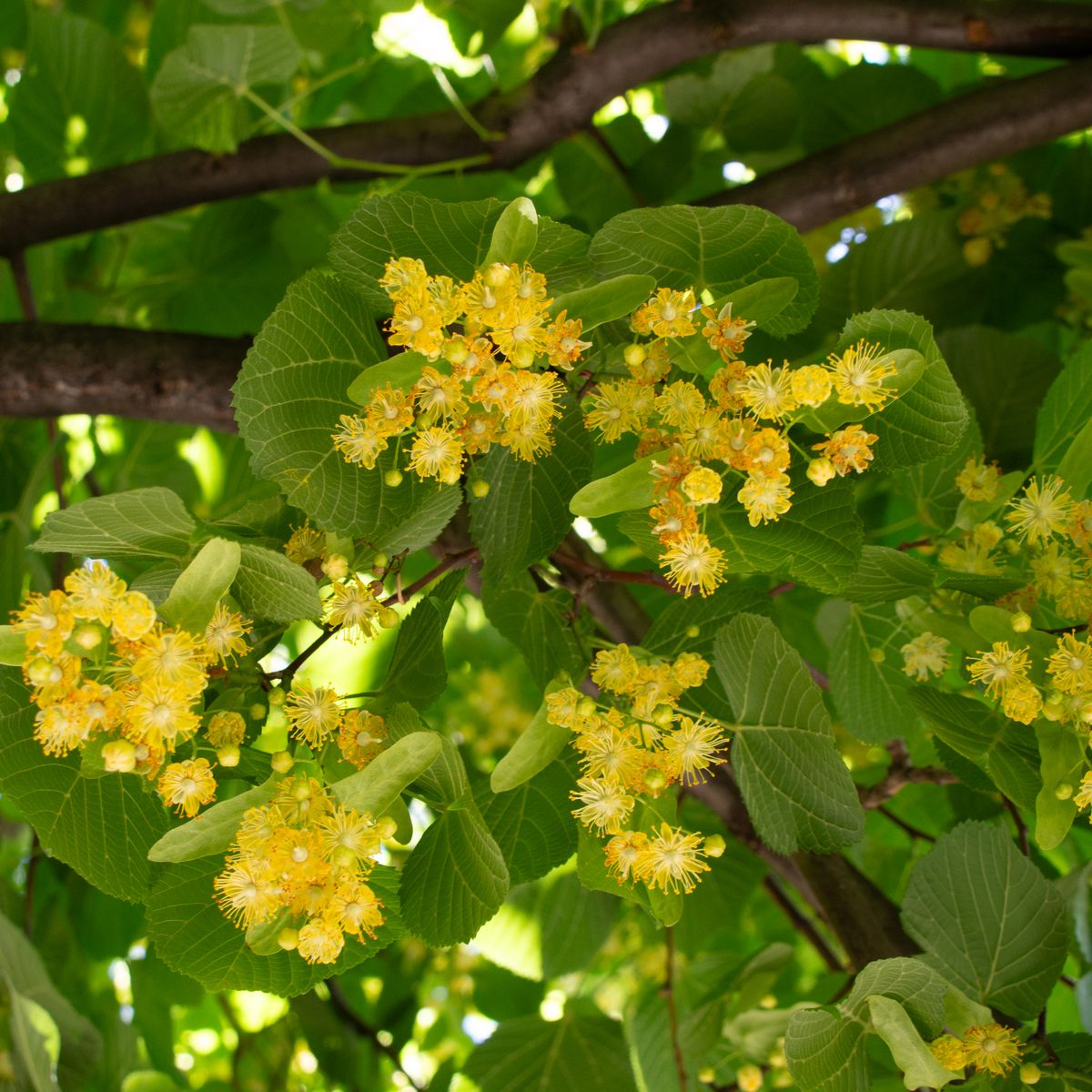
Tilleul, feuilles et fleurs au soleil

Sweet and family-friendly, the village square tree

Lime Tree: Origin, History, Symbolism, and Tradition

The linden is a large European tree whose flowers, along with their characteristic bract, are traditionally steeped for a family's evening herbal tea.

Linden in brief

Botanical family Malvaceae
Botanical name Tilia cordata / Tilia platyphyllos
Part used Flowers (with bract)
Main active compounds Flavonoids, mucilages
Color / appearance Small pale yellow flowers, elongated bract
Main origin Europe

History

The linden tree has been planted for centuries in French village squares, often as a symbol of liberty after significant events: many "trees of liberty," often linden trees, were planted across France after the 1789 Revolution. Its flowers have traditionally been harvested for herbal tea for generations in European rural areas.

Fleurs de tilleul en macro

Virtues & Symbolism according to Tradition

Traditional Mental Uses

Traditionally, the linden tree is associated with soothing and gentleness. It is believed to have the ability to calm nervous agitation and promote peaceful sleep, particularly appreciated as a family evening herbal tea.

Traditional Physical Uses

Internal dimension (tradition)

In traditional representations of the energetic body, the linden tree is associated with the heart chakra, a symbol of gentleness and family appeasement.

Associated element(s)

In botanical traditions, the linden tree is associated with the Water element, reflecting its soothing gentleness.

Associations

Linden is traditionally combined in different ways depending on the desired effect:

For evening soothing:
– Chamomile: a classic family duo
– Lemon balm: soothing reinforcement

For sweetness:
– Lavender: complementary calm
– Hawthorn: a heart-friendly combination

Symbolism

  • Calmness
  • Family warmth
  • Freedom
  • Peaceful sleep

Traditions

Do not confuse with

Linden flower is sometimes confused with linden sapwood (the inner bark), traditionally used differently for other preparations; these are two distinct parts of the same tree with different traditional uses.

Best Provenances

France remains a historical benchmark for quality linden flower harvesting.

Frequently Asked Questions

Why are so many lime trees planted in French village squares?

Numerous "trees of liberty," often linden trees, were planted across France after the 1789 Revolution, a tradition that continues to this day in the French rural landscape.

When are linden blossoms harvested?

Traditionally in June, when they are in full bloom, a time when their delicate fragrance is at its peak.

What is linden sapwood?

It's the inner bark of the tree, a distinct part from the flowers, traditionally used differently in popular herbal medicine.

Is linden suitable for children?

Traditionally yes, in a light, occasional herbal tea, but it is always best to seek advice from a healthcare professional for regular use in children.

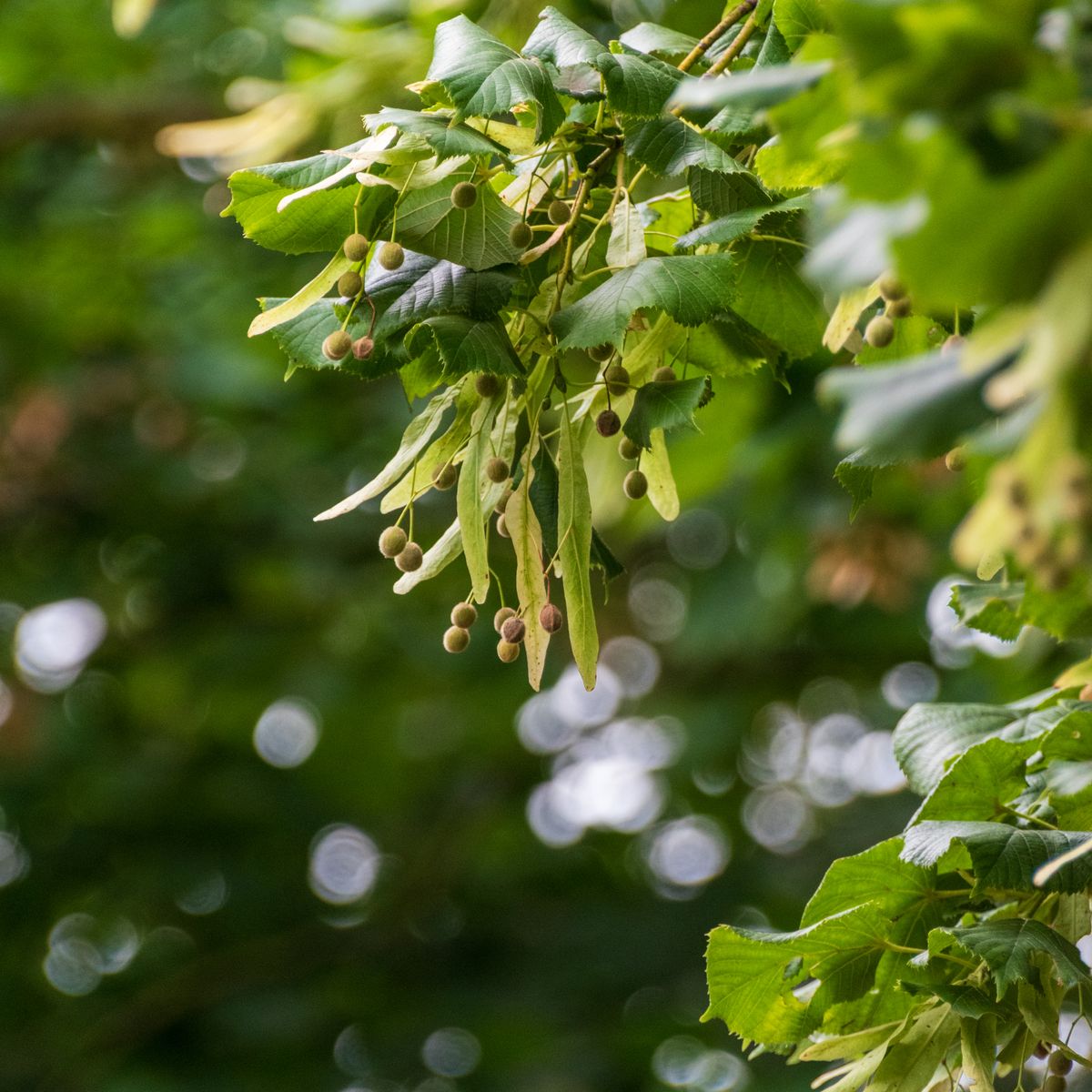
Fleurs de tilleul et feuilles vertesBranches de tilleul en étéFleurs de tilleul et feuilles vertesBranches de tilleul en été

Did you know?

The Sully linden tree, planted in 1601 in Sully-sur-Loire, is one of the oldest living linden trees in France, a living witness to several centuries of the country's history.

Sources & references

Information gathered from general botany works and resources on traditional European plants.

The information presented here is for cultural and traditional purposes only. It does not constitute medical advice or a guarantee of therapeutic effect. In case of physical or psychological distress, consult a healthcare professional. This is especially important during pregnancy, breastfeeding, ongoing medical treatment, or for use in children.