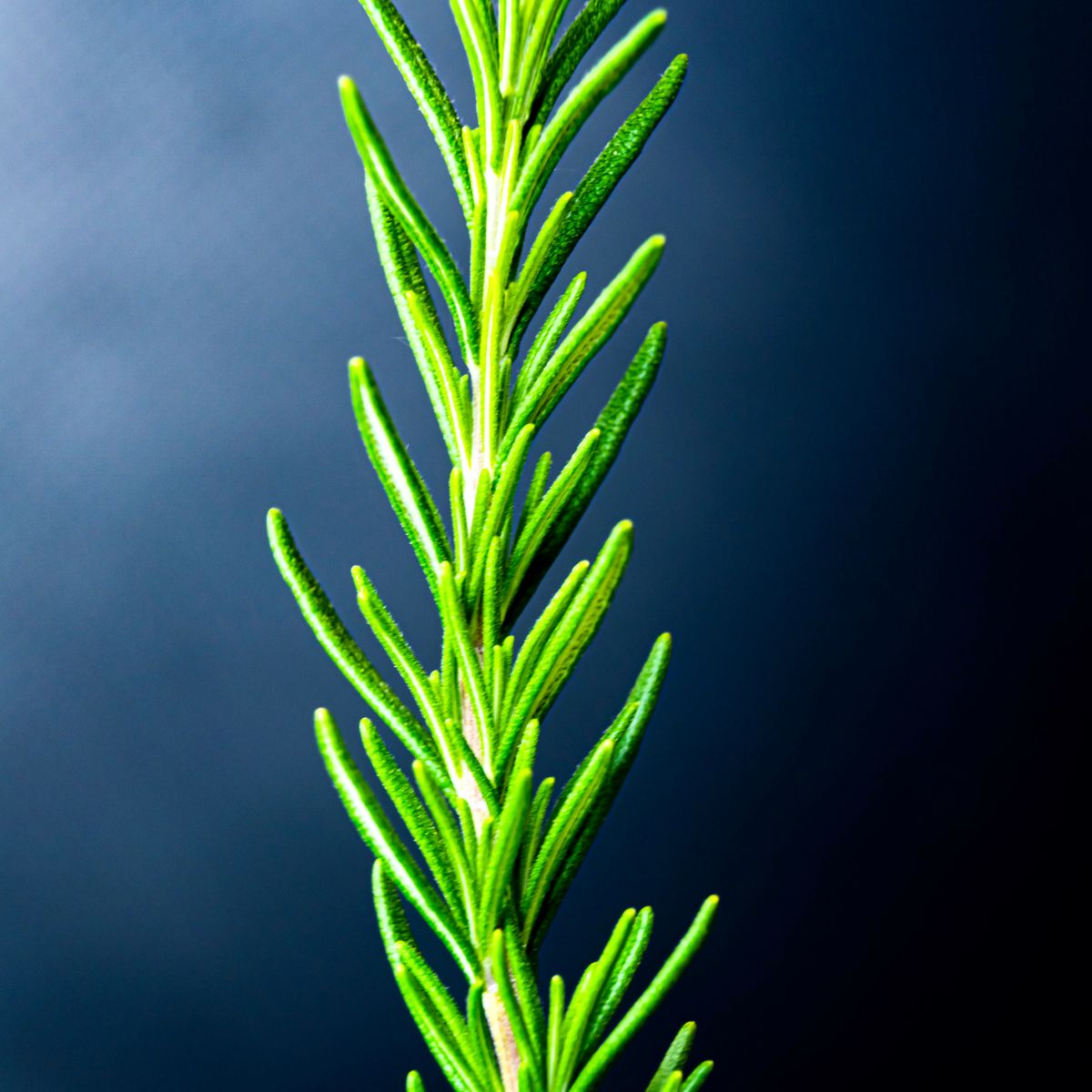
Brins de romarin frais sur bois

Vibrant and fragrant, the shrub of the Mediterranean hills

Rosemary: Origin, History, Symbolism, and Tradition

Rosemary is an aromatic Mediterranean shrub recognizable by its fine, dark green needles and its characteristic woody and camphoraceous scent.

Rosemary at a glance

Botanical family Lamiaceae
Botanical name Salvia rosmarinus
Part used Leaves (needles)
Main active compounds Cineole, camphor
Color / appearance Dark green needles, silvery underneath
Main origin Mediterranean basin

History

The name "rosemary" comes from the Latin "ros marinus," meaning "dew of the sea," in reference to its natural habitat on Mediterranean coastal cliffs. The plant was already used in ancient Greece, where students sometimes wore rosemary wreaths, as the plant was traditionally associated with memory.

Brin de romarin sur marbre

Virtues & Symbolism according to Tradition

Traditional Mental Uses

Traditionally, rosemary is associated with memory and mental clarity. It is believed to stimulate concentration and aid during periods of learning.

Traditional Physical Uses

Internal dimension (tradition)

In traditional representations of the energy body, rosemary is associated with the third eye chakra, a symbol of clarity and memory.

Associated element(s)

In botanical traditions, rosemary is associated with the element of Fire, echoing its invigorating aroma and the taste of its sunny terroir.

Associations

Rosemary is traditionally combined in different ways depending on the desired effect:

For memory and clarity:
– Peppermint: complementary freshness
– Sage: traditional association from Mediterranean gardens

For vitality:
– Lemon: complementary dynamism
– Thyme: classic Mediterranean duo

Symbolism

  • Memory
  • Mental clarity
  • Vitality
  • Loyalty

Traditions

Do not confuse with

Rosemary is sometimes visually confused with certain dwarf conifers due to its needle-like leaves; however, its very recognizable camphoraceous and woody scent allows for immediate identification.

Best Provenances

Provence, Spain, and Italy remain historical references for quality rosemary, grown in dry and sunny soils.

Frequently Asked Questions

Where does the name "rosemary" come from?

It comes from the Latin "ros marinus," "dew of the sea," referring to its natural habitat on Mediterranean coastal cliffs.

Why is rosemary associated with memory?

This association dates back to ancient Greece, where students wore rosemary wreaths while studying, believing it helped to retain knowledge.

Is rosemary easy to grow?

Yes, it's a very hardy shrub that enjoys sun and well-drained soil, tolerating drought very well once established.

Can both fresh and dried rosemary be used?

Yes, both forms are commonly used, with fresh rosemary generally being more fragrant in cooking.

Romarin en gros planBrin de romarin isoléRomarin en gros planBrin de romarin isolé

Did you know?

In the European Middle Ages, rosemary was given at weddings as a symbol of fidelity and lasting remembrance between spouses.

Sources & references

Information cross-referenced from general botany works and traditional aromatic plant resources.

The information presented here is for cultural and traditional purposes only. It does not constitute medical advice or a guarantee of therapeutic effect. In case of physical or psychological distress, consult a healthcare professional. This is especially important during pregnancy, breastfeeding, ongoing medical treatment, or for use in children.