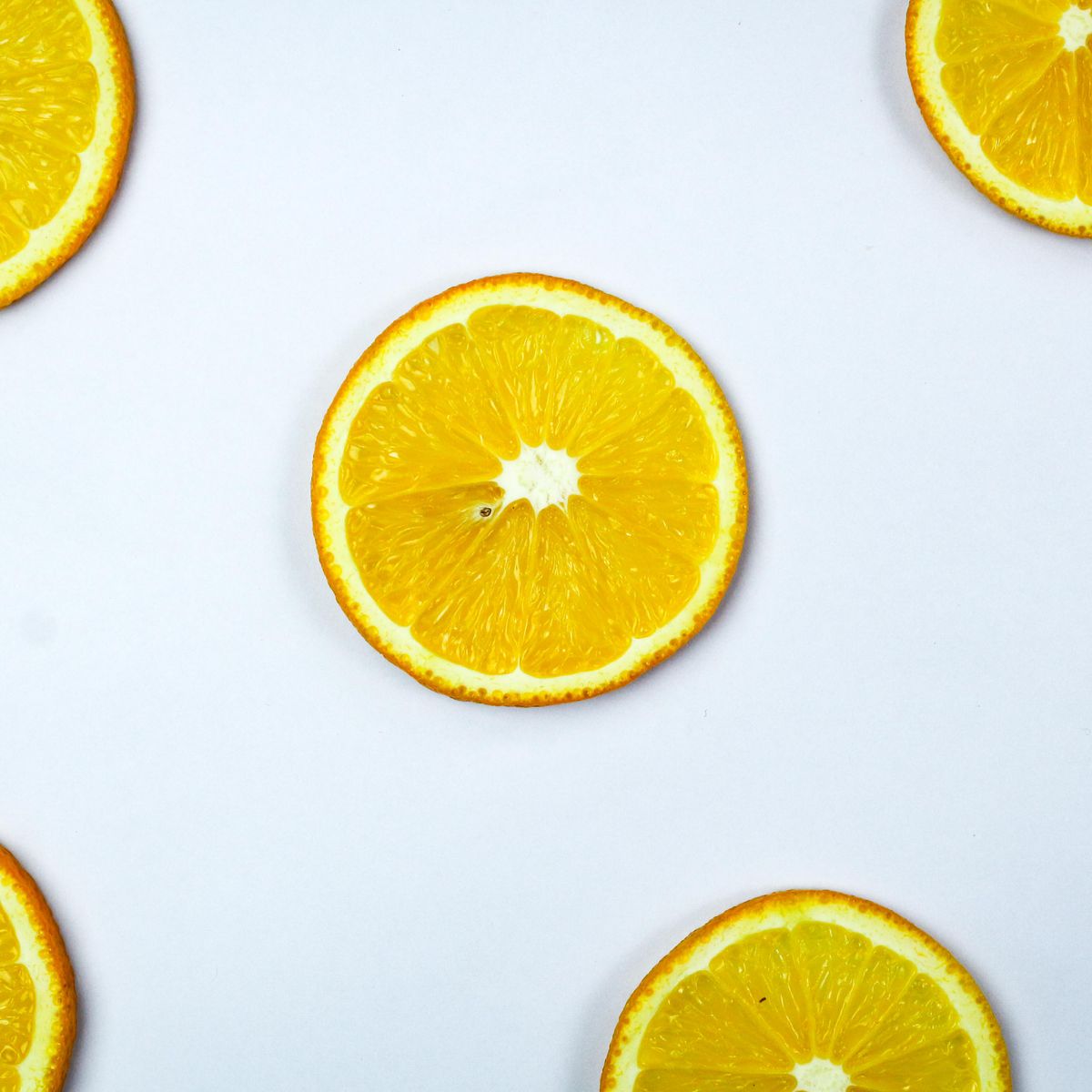
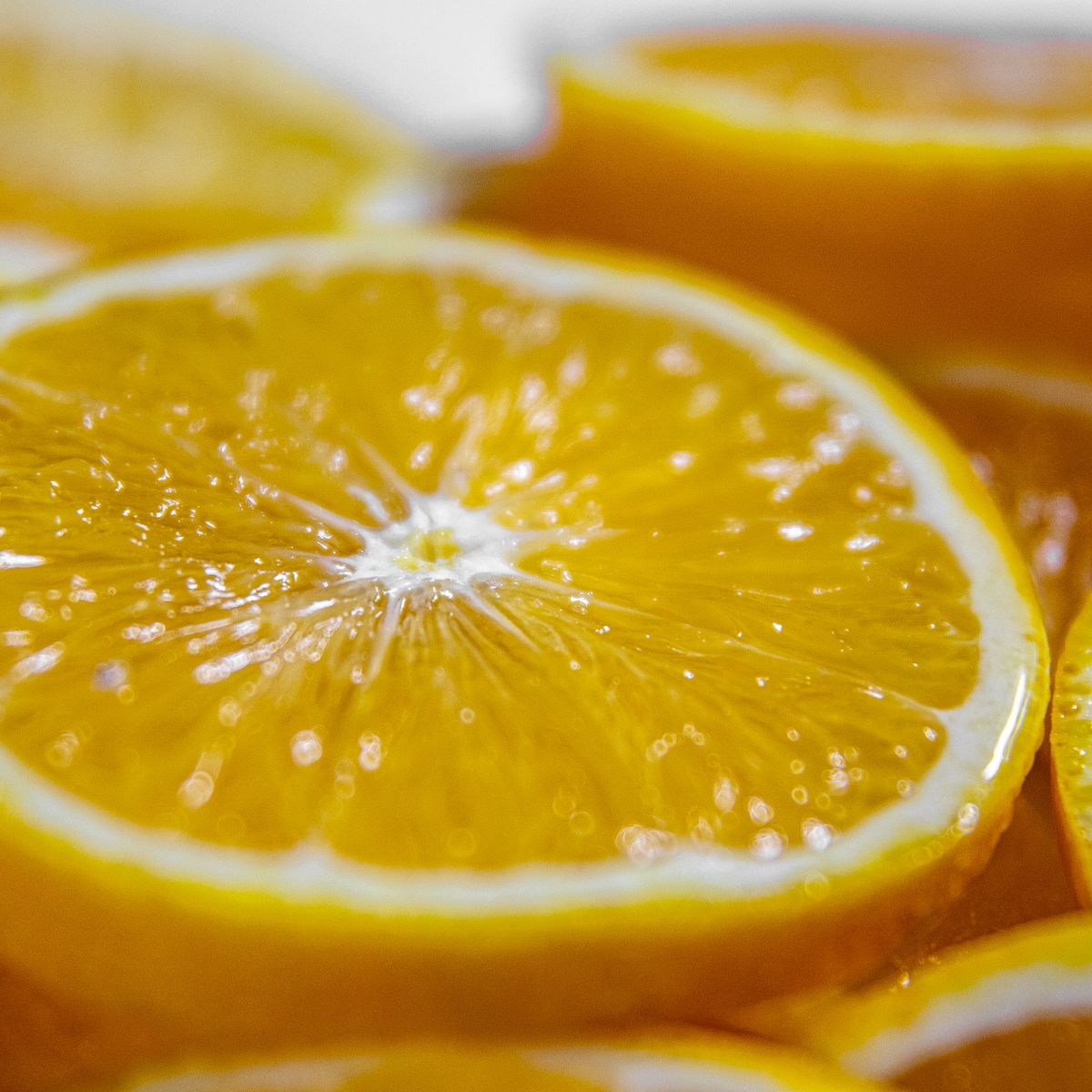
Orange, moitiés fraîches

Sunny and zesty, the citrus fruit that conquered the world

Orange: origin, history, symbolism, and tradition

Sweet orange is a citrus fruit native to China, recognizable by its bright orange rind and sweet, sunny aroma.

Orange in a nutshell

Botanical family Rutaceae
Botanical name Citrus sinensis
Part used Fruit zest
Main active compounds Limonene
Color / appearance Bright orange zest
Main origin South China, Mediterranean basin

History

Sweet orange originated in southern China, cultivated for several millennia. It was introduced to Europe by Arab merchants and then by Portuguese explorers in the 15th century, quickly becoming a symbol of luxury and prestige, particularly given as a precious Christmas gift in several European traditions before its popularization.

Orange, segments juteux avec zéste

Virtues & Symbolism according to Tradition

Traditional Mental Uses

Traditionally, orange is associated with joy and optimism. It is believed to have the ability to warm up the atmosphere of a place and dispel negative thoughts.

Traditional Physical Uses

Internal dimension (tradition)

In traditional representations of the energy body, orange is associated with the sacral chakra, a symbol of joy and vitality.

Associated element(s)

In botanical traditions, the orange is associated with the element of Fire, echoing its solar color and warm fragrance.

Associations

Orange is traditionally combined in different ways depending on the desired effect:

For joy and optimism:
– Vanilla: complementary sweetness
– Ylang-ylang: enhancing solar floral notes

For warmth:
– Cinnamon: traditional spicy association
– Ginger: complementary vitality

Symbolism

  • Joy
  • Optimism
  • Warmth
  • Generosity

Traditions

Do not confuse with

The sweet orange is sometimes confused with the bitter orange (Seville orange), which is mainly used for its flowers (orange blossom) and its zest in confectionery; the bitter orange has a much more acidic and less sweet taste than the classic sweet orange.

Best Provenances

Spain, Italy (Sicily), and Brazil are renowned for their quality orange production.

Frequently Asked Questions

Where does the sweet orange come from?

It originated in southern China, cultivated for several millennia before being introduced to Europe by Arab merchants and then Portuguese explorers.

What's the difference between a sweet orange and a bitter orange?

The bitter orange (Seville orange) has a much more acidic taste and is mainly used for its flowers and zest, unlike the sweet orange which is consumed directly.

Why was an orange a precious gift in the past?

Before its large-scale cultivation in Europe, the orange was a rare and expensive fruit to import, which made it a prestigious gift, especially at Christmas.

How to use dried orange peel?

Brewed as an infusion or used to flavor sweet dishes, a few pieces are enough to add a citrus note.

Orange, tranches sur fond clairOrange, macro sur les tranchesOrange, tranches sur fond clairOrange, macro sur les tranches

Did you know?

Before it became commonplace, the orange was considered such a precious gift that it was given for Christmas in many European families, sometimes the only one all year.

Sources & references

Information compiled from general botany works and traditional citrus resources.

The information presented here is for cultural and traditional purposes only. It does not constitute medical advice or a guarantee of therapeutic effect. In case of physical or psychological distress, consult a healthcare professional. This is especially important during pregnancy, breastfeeding, ongoing medical treatment, or for use in children.