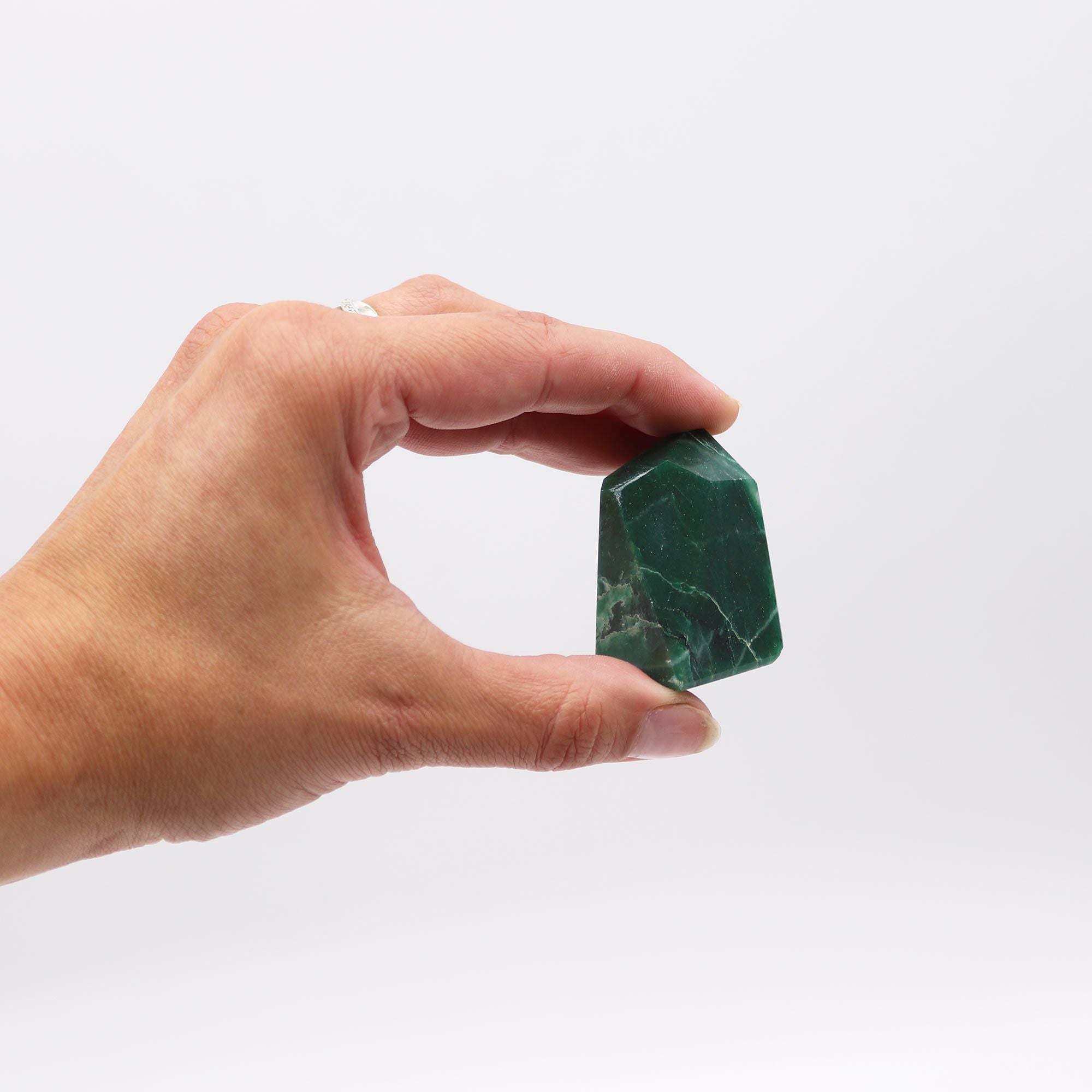
Green and imperial, the stone of wisdom

Jade: Origin, History, Symbolism, and Tradition

Jade actually refers to two distinct minerals, nephrite and jadeite, both prized for millennia for their green hue and purity. An imperial stone in China, it was also more precious than gold for pre-Columbian civilizations.

Jade at a glance

Mineral group Nephrite (amphibole) or Jadeite (pyroxene)
Composition Calcium/magnesium or sodium/aluminum silicate
Hardness 6 to 7 on the Mohs scale
Crystal system Monoclinic
Colors Green (most common), also white, lavender, orange
Main origin Myanmar, China, New Zealand, Canada

History of the stone

In China, jade has been the most precious stone for over 5000 years, a symbol of moral virtue, purity, and immortality. Some emperors were buried in funerary suits entirely composed of thousands of jade plaques sewn together with gold thread, in the belief that the stone would preserve the body for eternity. Among pre-Columbian civilizations (Maya, Olmec), jade was a material of unparalleled symbolic value, more sought after than gold itself. In New Zealand, pounamu (local nephrite jade) remains highly revered in Maori culture and is traditionally passed down as a family heirloom.

Origin & Composition

The term "jade" encompasses two distinct minerals, historically confused until the 19th century: nephrite, a calcium and magnesium silicate (amphibole), and jadeite, a sodium and aluminum silicate (pyroxene). Jadeite is generally rarer and more highly valued, particularly in China in its vivid green form known as imperial jade, whereas nephrite, which is more common, is especially worked in New Zealand and Canada.

Virtues & Symbolism According to Tradition

Traditional Mental Uses

Traditionally, jade is associated with wisdom, serenity, and inner harmony. In Chinese culture, it has symbolized moral purity and personal virtue for millennia. It is believed to foster measured judgment, soothe internal conflicts, and support a serene outlook on life's challenges.

Traditional physical uses

Internal dimension (tradition)

In traditional representations of the energetic body, jade is associated with the heart chakra, a symbol of harmony and deep serenity.

Associated astrological sign(s)

In some Western traditions, jade is sometimes associated with the Aquarius and Libra zodiac signs—a symbolic association to be taken as a nod rather than a rule.

Stone associations

Jade is traditionally combined in different ways depending on the desired effect:

For wisdom and mental clarity:
– Amethyst: traditional duo associated with calm and reflection
– Sodalite: enhances mental clarity and sound judgment

For harmony and serenity:
– Amazonite: traditional association with emotional harmony
– Rose Quartz: complementary softness for peaceful relationships

Interview

Physical cleaning: rinsing with clean water and a soft cloth is sufficient. With a hardness of 6 to 7 on the Mohs scale, jade is very durable and perfectly suited for daily use in jewelry.

Symbolism

  • Wisdom
  • Serenity
  • Harmony
  • Moral purity

Traditions

Do not confuse with

Jade is sometimes confused with green aventurine or serpentine, nicknamed "false jade". True jade (nephrite or jadeite) has a higher density and hardness, with a colder, heavier feel in the hand than its imitations.

Top provenances

Myanmar produces the world’s most sought-after imperial jadeite, China remains the historical benchmark market, while New Zealand and Canada supply nephrite.

Frequently Asked Questions

Is jade a single mineral?

No, the term “jade” actually refers to two distinct minerals, nephrite and jadeite, historically confused until the 19th century and both marketed under the same name.

What is the difference between nephrite and jadeite?

Jadeite is generally rarer and more highly prized, especially in China in its vivid green form known as imperial jade, while nephrite, which is more common, is notably worked in New Zealand and Canada.

How to spot real jade?

Genuine jade has a higher density and hardness than imitations like serpentine, with a colder, heavier feel in the hand.

Why was jade more precious than gold to pre-Columbian civilizations?
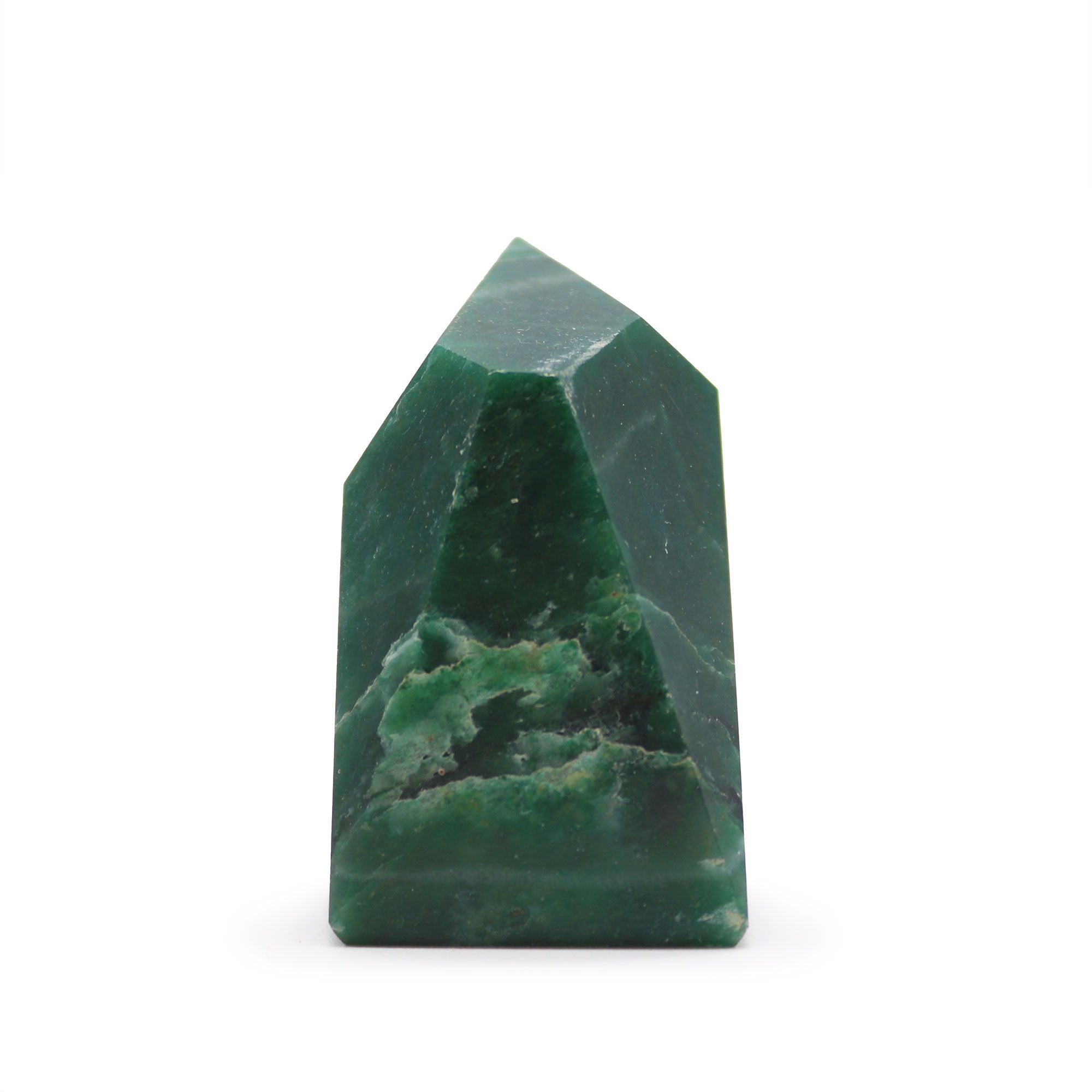
Its rarity, remarkable hardness, and green hue associated with vegetation and water made it a material of unparalleled symbolic value to the Maya and Olmec, more sought after than gold itself.

Did you know?

Some ancient Chinese emperors were buried in funerary suits made entirely of thousands of jade plaques sewn together with gold thread, in the belief that this stone would preserve the body for eternity.

Sources & References

Information cross-referenced from general gemology books and Earth Sciences museum resources (National Museum of Natural History, reference works in mineralogy).

The information presented here is for cultural, historical, and decorative purposes only. It does not constitute medical advice or a guarantee of therapeutic effect. In case of physical or psychological distress, consult a healthcare professional.