

Light, resinous wood, an emblem of mental clarity
Palo Santo: Origin, History, Symbolism, and Tradition
Palo santo in brief
| Botanical family | Burseraceae |
| Botanical name | Bursera graveolens |
| Part used | Wood (dead branches fallen naturally) |
| Main active compounds | Limonene, alpha-terpineol |
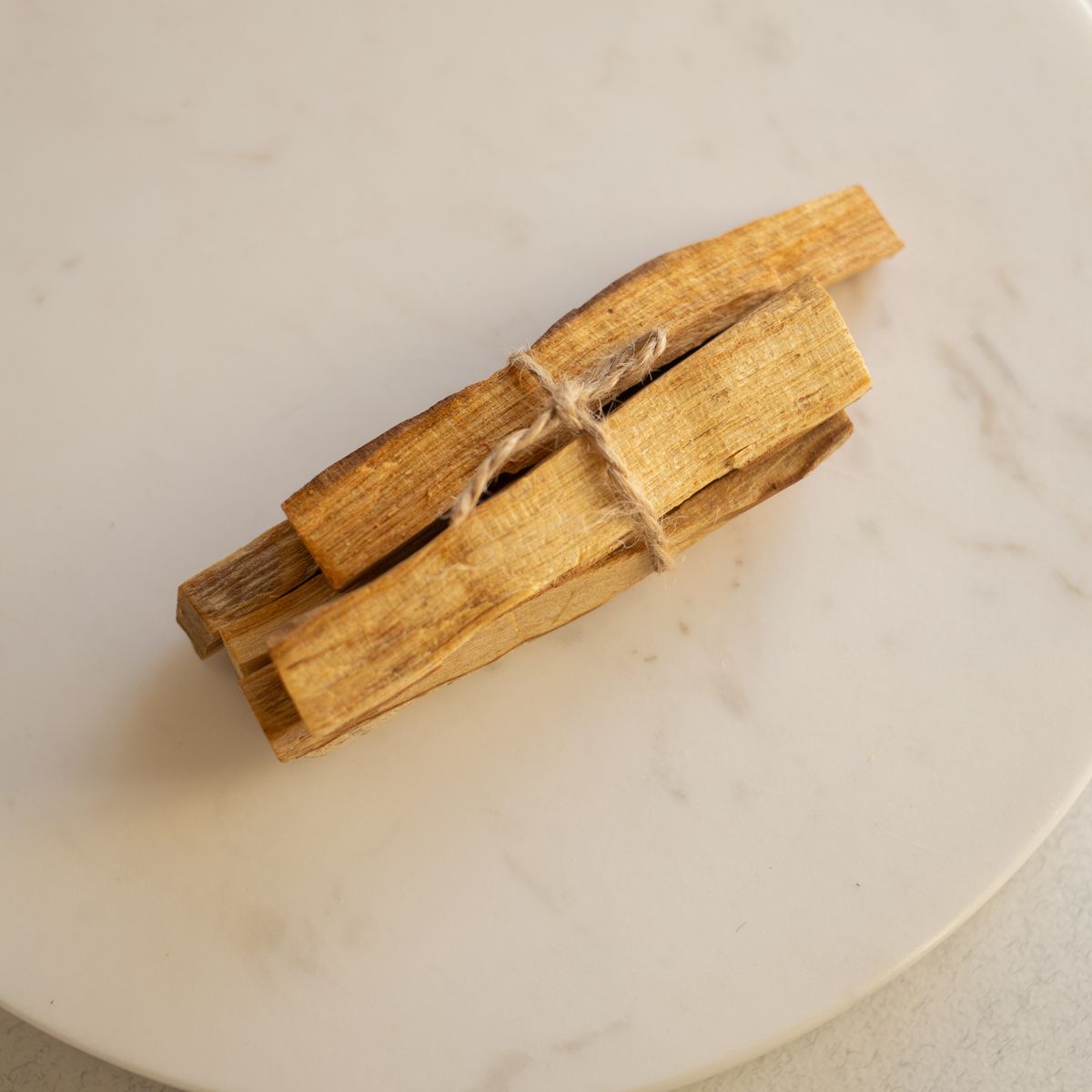
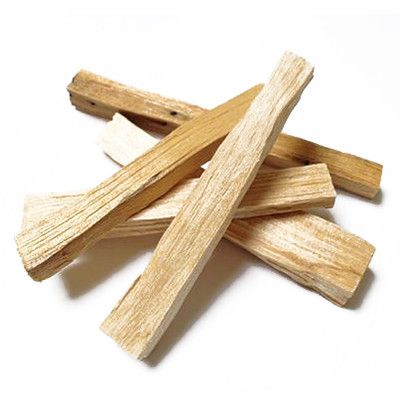
| Color / appearance | Light wood to golden brown, chips or sticks |
| Main origin | Ecuador, Peru, Pacific coast of South America |
History

Virtues & Symbolism according to Tradition
Traditional Mental Uses
Traditional Physical Uses
Internal dimension (tradition)
Associated element(s)
Associations
Symbolism
Traditions

Do not confuse with

Best Provenances
Frequently Asked Questions
Why is palo santo becoming increasingly rare?
What does "Palo Santo" mean?
What's the difference between palo santo and sandalwood?
How to properly use a palo santo stick?
Did you know?
Sources & references
The information presented here is for cultural and traditional purposes only. It does not constitute medical advice or a guarantee of therapeutic effect. In case of physical or psychological distress, consult a healthcare professional. This is especially important during pregnancy, breastfeeding, ongoing medical treatment, or for use in children.