Pungent and warming, Asia's iconic root

Ginger: Origin, History, Symbolism, and Tradition

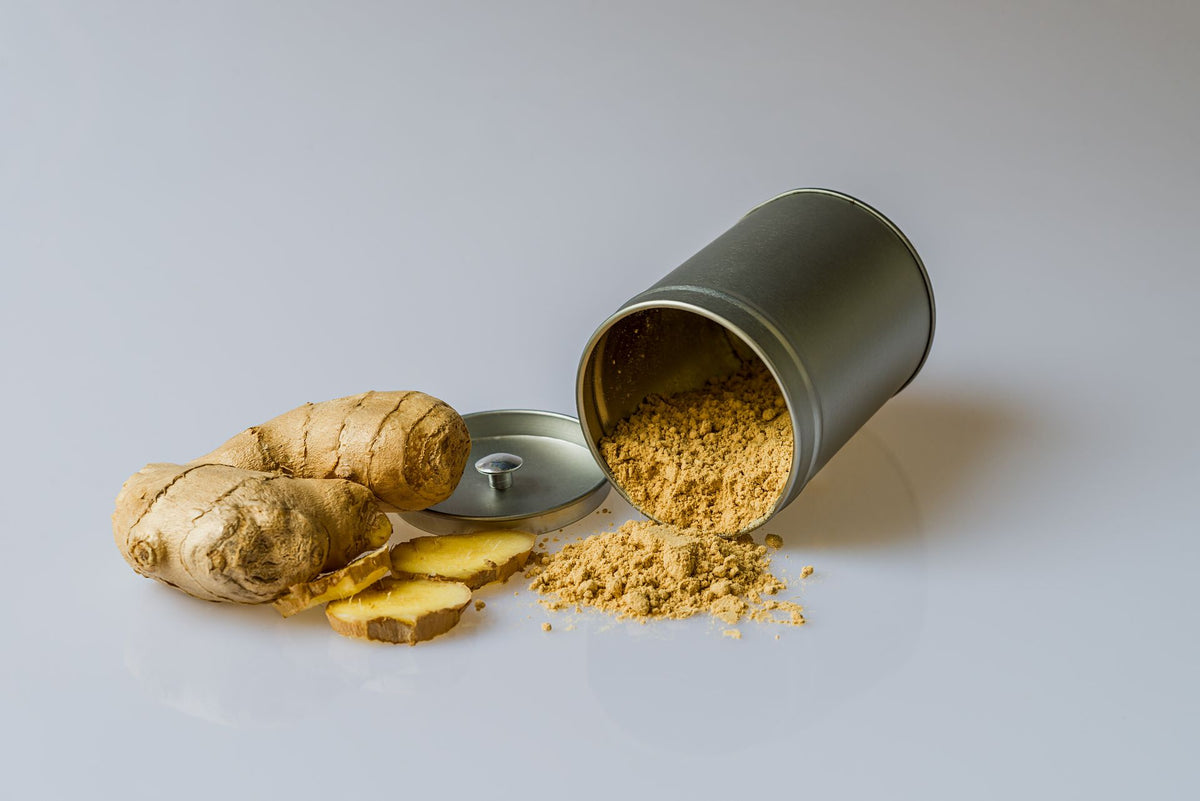
Ginger is the rhizome of a plant native to Southeast Asia, recognizable by its very characteristic pungent and warm flavor.

Ginger in brief

Botanical family Zingiberaceae
Botanical name Zingiber officinale
Part used Rhizome (root)
Main active compounds Gingerol, shogaol
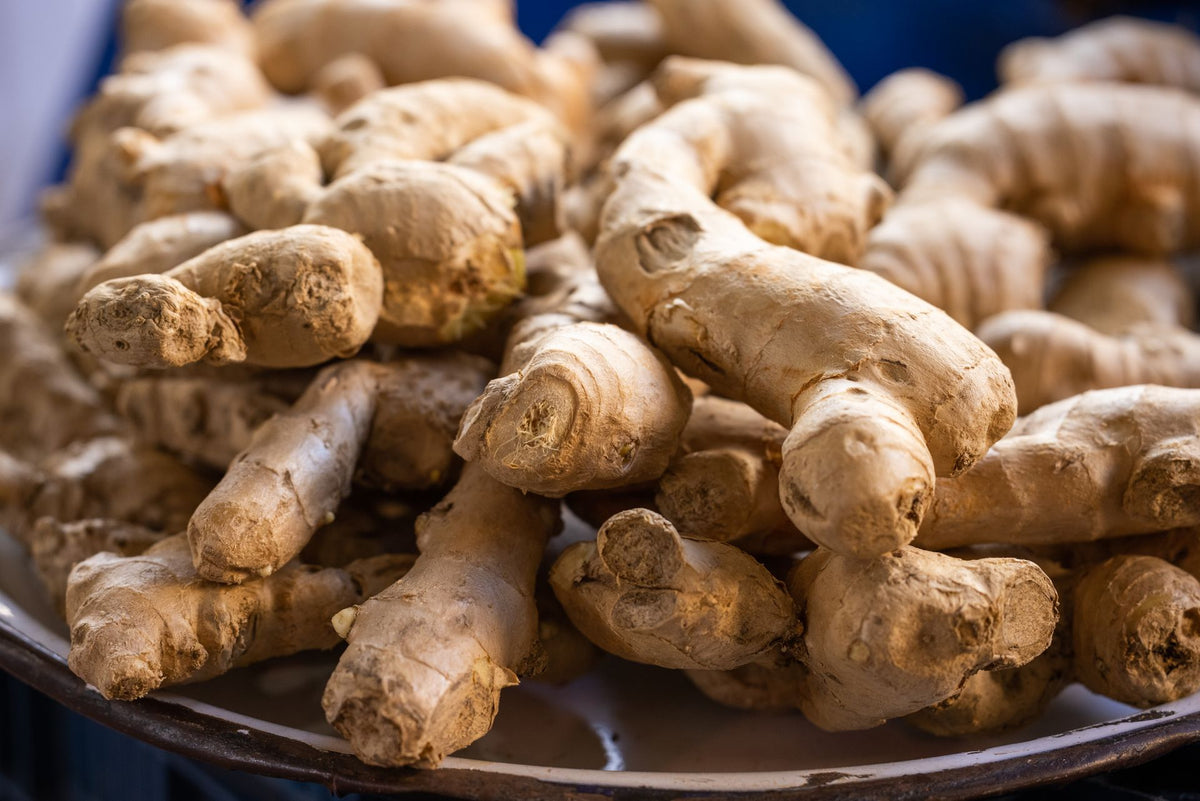
Color / appearance Beige rhizome with pale yellow flesh
Main origin Southeast Asia, India, China

History

Ginger has been cultivated in Asia for over 5000 years, mentioned in ancient Chinese and Indian texts as a major medicinal and culinary plant. It was one of the first Asian spices to reach Europe via ancient trade routes, valued as early as ancient Rome.

Virtues & Symbolism according to Tradition

Traditional Mental Uses

Traditionally, ginger is associated with vitality and determination. It is believed to warm up a place and stimulate personal energy.

Traditional Physical Uses

Internal dimension (tradition)

In traditional representations of the energy body, ginger is associated with the sacral chakra, a symbol of warmth and vitality.

Associated element(s)

In botanical traditions, ginger is associated with the Fire element, echoing its warm and pungent flavor.

Associations

Ginger is traditionally combined in different ways depending on the desired effect:

For vitality:
– Cinnamon: a traditional spicy duo
– Orange: a sunny boost

For warmth:
– Clove: a traditional spicy pairing
– Vanilla: a complementary sweetness

Symbolism

  • Vitality
  • Determination
  • Warmth
  • Energy

Traditions

Do not confuse with

Ginger is sometimes confused with galangal, a similar rhizome used in Thai and Indonesian cuisine; galangal has a more peppery and less sweet flavour than common ginger.

Best Provenances

India and China remain the leading historical and global producers of ginger.

Frequently Asked Questions

How long has ginger been cultivated?

For more than 5,000 years in Asia, where it is mentioned in ancient Chinese and Indian texts as a major medicinal and culinary plant.

What's the difference between ginger and galangal?

Galangal has a more peppery and less sweet flavor than classic ginger, although it is a rhizome from the same botanical family.

How to store fresh ginger?

It keeps for a few weeks in the refrigerator in a dry place, or can be frozen for longer storage.

Does ginger grow easily in our climates?
No, it requires a hot and humid tropical climate, which limits its outdoor cultivation in temperate regions.

Did you know?

Ginger was one of the first Asian spices to reach Europe via ancient trade routes, already appreciated in ancient Rome long before most other exotic spices.

Sources & references

Information cross-referenced from general botany books and resources on traditional spices.

The information presented here is for cultural and traditional purposes only. It does not constitute medical advice or a guarantee of therapeutic effect. In case of physical or psychological distress, consult a healthcare professional. This is especially important during pregnancy, breastfeeding, ongoing medical treatment, or for use in children.