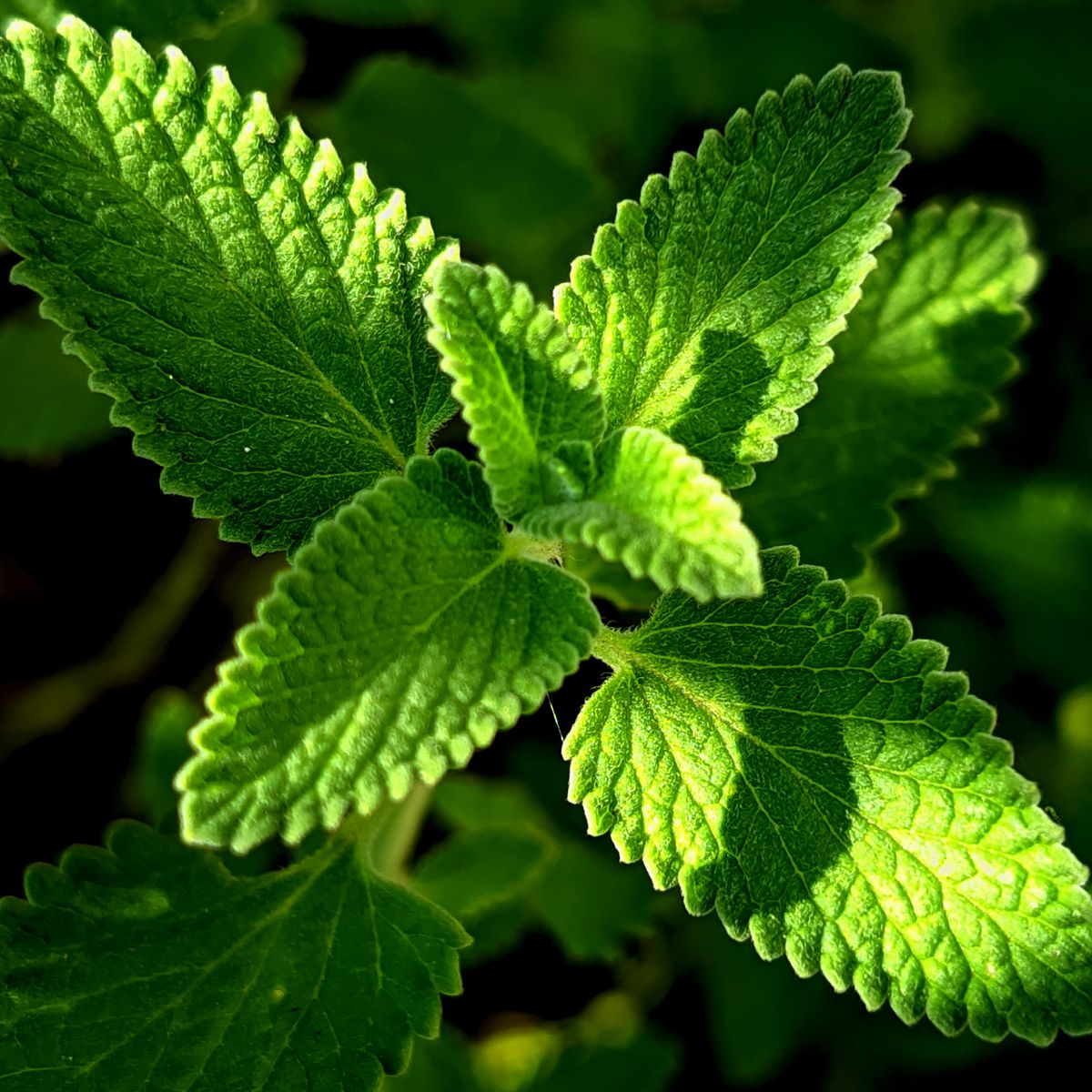
Mélisse, feuilles fraîches avec rosée

Lemony and sweet, the bees' beloved plant

Lemon Balm: Origin, History, Symbolism, and Tradition

Lemon balm is a European plant with a characteristic lemony scent, traditionally brewed in the evening to aid relaxation.

Lemon Balm in brief

Botanical family Lamiaceae
Botanical name Melissa officinalis
Part used Leaves
Main active compounds Citral, citronellal
Color / appearance Light green, crumpled leaves, lemon scent
Main origin Mediterranean basin, Europe

History

The name "melissa" comes from the Greek "melissa" (bee), as the plant is particularly attractive to bees for its fragrant nectar. Cultivated since Greek and Roman antiquity, it holds an important place in European monastic tradition, grown in monastery gardens as early as the Middle Ages for its traditionally recognized soothing properties.

Feuilles de mélisse, vue en hauteur

Virtues & Symbolism according to Tradition

Traditional Mental Uses

Traditionally, lemon balm is associated with calming the nerves and promoting serenity. It is believed to have the ability to soothe mental agitation and encourage more peaceful sleep.

Traditional Physical Uses

Internal dimension (tradition)

In traditional representations of the energy body, lemon balm is associated with the heart chakra, a symbol of soothing and gentleness.

Associated element(s)

In botanical traditions, lemon balm is associated with the element Water, echoing its soothing sweetness.

Associations

Lemon balm is traditionally combined in different ways depending on the desired effect:

For nervous soothing:
– Chamomile: classic evening duo
– Passionflower: calming reinforcement

For serenity:
– Linden: traditional association
– Lavender: complementary calm

Symbolism

  • Soothing
  • Serenity
  • Gentleness
  • Peaceful sleep

Traditions

Do not confuse with

Lemon balm is sometimes confused with mint or lemongrass due to their common citrus scent; it is distinguished by its crinkled, heart-shaped leaves and a gentler, less mentholated fragrance.

Best Provenances

France remains a benchmark for quality lemon balm cultivation, particularly in regions with a temperate climate.

Frequently Asked Questions

Where does the name "melissa" come from?

It comes from the Greek "melissa" (bee), the plant being particularly popular with bees for its fragrant nectar.

Why was lemon balm grown in monasteries?

Monks in the Middle Ages cultivated many plants in their gardens, and lemon balm held an important place among them for its traditionally recognized soothing properties.

When to harvest lemon balm leaves?

Ideally before flowering, when their content of fragrant essential oils is highest.

Does lemon balm quickly lose its scent once dried?
Yes, faster than other aromatic plants, which is why it is often used fresh when possible.

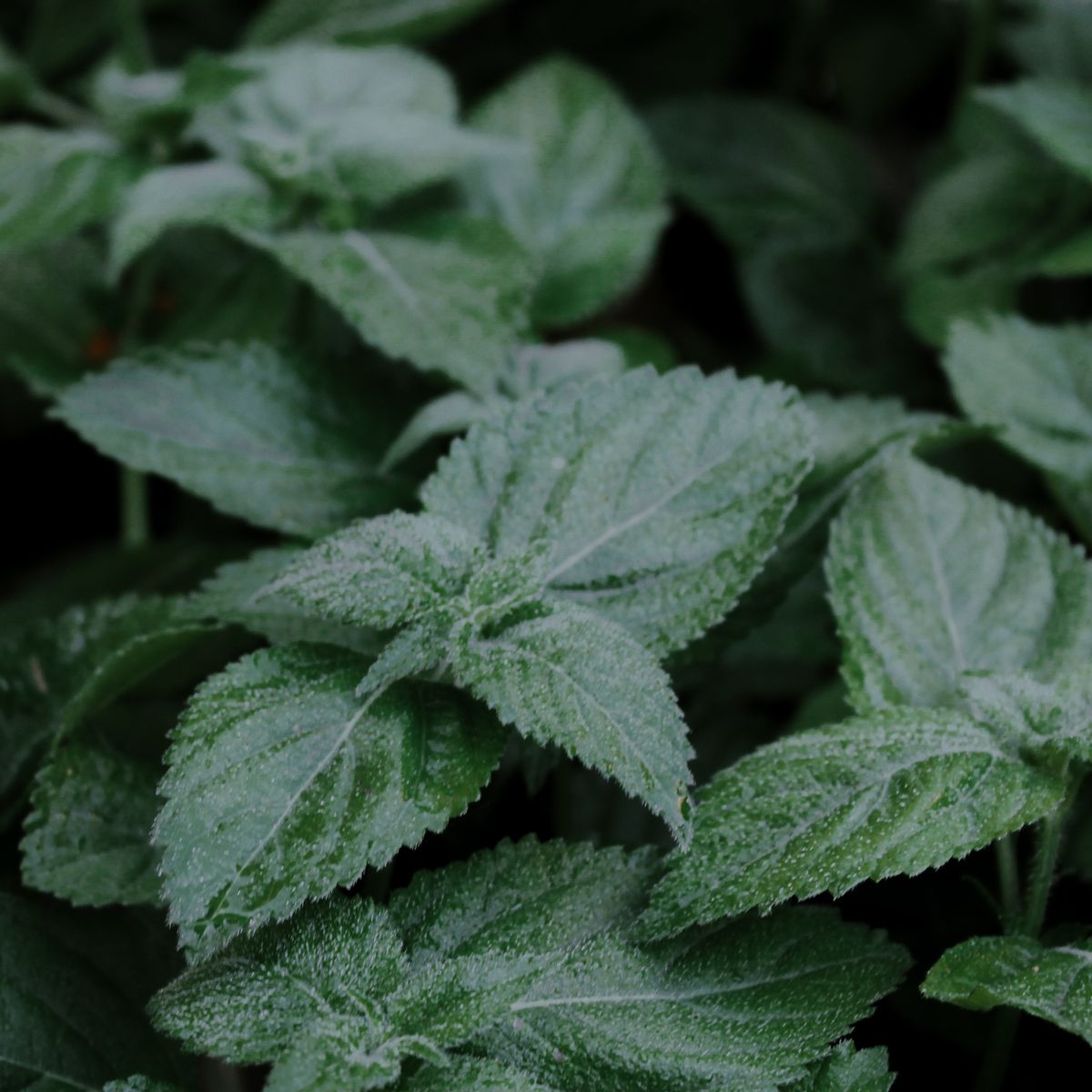
Mélisse, feuillage vert en gros planFeuilles vertes aromatiques au soleilMélisse, feuillage vert en gros planFeuilles vertes aromatiques au soleil

Did you know?

Lemon balm is sometimes called the "elixir of long life" in reference to an old recipe used by Carmelite monks in the 17th century, "Carmelite balm water," which is still sold today.

Sources & references

Information compiled from general botany books and resources on traditional European plants.

The information presented here is for cultural and traditional purposes only. It does not constitute medical advice or a guarantee of therapeutic effect. In case of physical or psychological distress, consult a healthcare professional. This is especially important during pregnancy, breastfeeding, ongoing medical treatment, or for use in children.