Fenouil, bulbes frais au marché

Aniseed and digestive, the seed for light meals

Fennel: Origins, History, Symbolism, and Tradition

Fennel is a Mediterranean plant whose aniseed-flavoured seeds are traditionally brewed into an infusion after meals to aid digestion.

Fennel at a glance

Botanical family Apiaceae
Botanical name Foeniculum vulgare
Part used Seeds
Main active compounds Anethole
Color / appearance Small, elongated green-brown seeds
Main origin Mediterranean basin

History

Fennel has been cultivated since Greek and Roman antiquity, where it was associated with endurance: according to Greek mythology, Prometheus is said to have hidden fire stolen from the gods in a fennel stalk to bring it back to humans. Soldiers and athletes in antiquity consumed its seeds, believing they strengthened breath and vigor.

Fenouil frais et verdure

Virtues & Symbolism according to Tradition

Traditional Mental Uses

Traditionally, fennel is associated with lightness and comfort after meals. It is believed to promote a sense of digestive well-being.

Traditional Physical Uses

Internal dimension (tradition)

In traditional representations of the energy body, fennel is associated with the solar plexus chakra, a symbol of digestion and lightness.

Associated element(s)

In botanical traditions, fennel is associated with the element of Fire, echoing its mythological connection to Prometheus's fire.

Associations

Fennel is traditionally combined in various ways depending on the desired effect:

For digestive lightness:
– Artichoke: traditional digestive duo
– Peppermint: complementary freshness

For comfort after meals:
– Burdock: digestive reinforcement
– Licorice: complementary aniseed sweetness

Symbolism

  • Digestive lightness
  • Comfort
  • Vigor
  • Endurance

Traditions

Do not confuse with

Fennel is sometimes confused with aniseed due to their similar anisetaste; they are two botanically distinct plants, with fennel having longer seeds and a slightly sweeter taste.

Best Provenances

India, Egypt, and the Mediterranean basin remain the main fennel seed producing regions.

Frequently Asked Questions

What is the connection between fennel and Greek mythology?

According to legend, Prometheus hid the fire stolen from the gods in a fennel stalk to bring it back to humankind.

What's the difference between fennel and green anise?

They are two botanically distinct plants despite their similar aniseed taste, with fennel having more elongated seeds and a slightly milder flavor.

Can you eat the bulb and seeds of fennel?

Yes, the bulb is eaten as a fresh vegetable while the seeds, harvested when mature, are primarily used in infusions or as a condiment.

How long has fennel been used?

Since Greek and Roman antiquity, when it was consumed by athletes and soldiers who attributed invigorating properties to it.

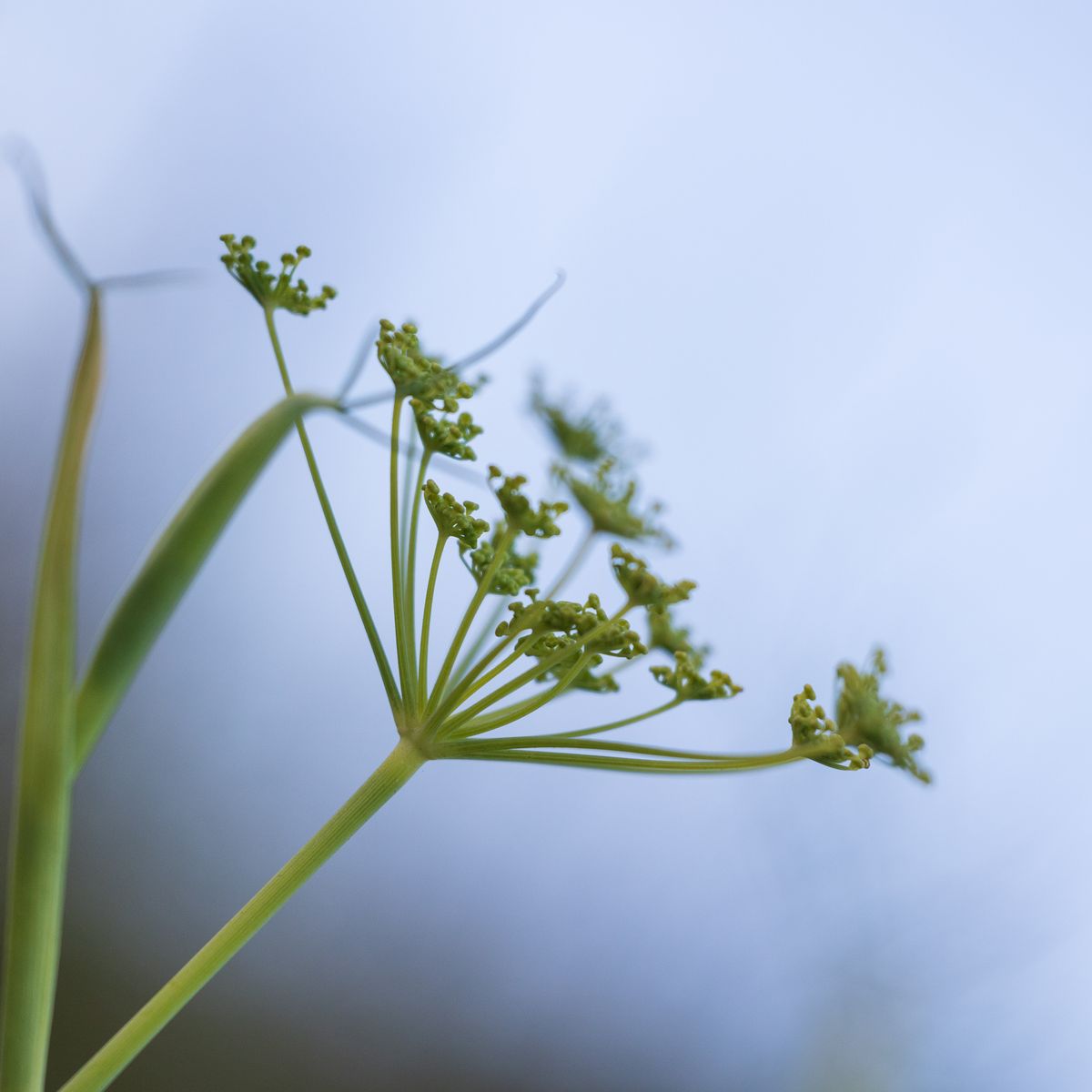
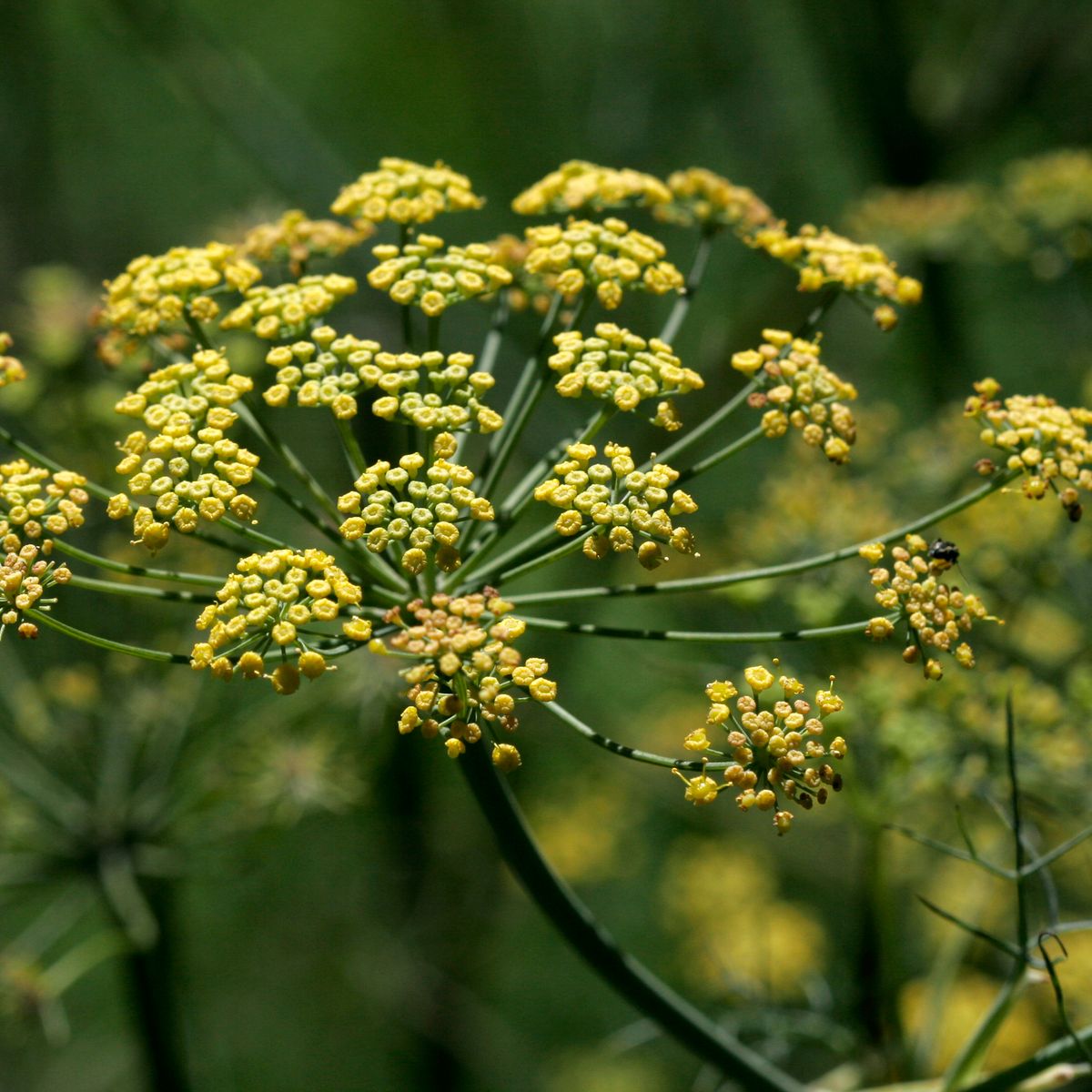
Fleur de fenouil, gros planFleur de fenouil jaune en macroFleur de fenouil, gros planFleur de fenouil jaune en macro

Did you know?

In ancient Greece, the word "marathon" is said to come from the Greek "marathon" meaning a field of fennel, the plain where the famous battle took place being renowned for being covered with it.

Sources & references

Information cross-referenced from general botany works and resources on traditional Mediterranean plants.

The information presented here is for cultural and traditional purposes only. It does not constitute medical advice or a guarantee of therapeutic effect. In case of physical or psychological distress, consult a healthcare professional. This is especially important during pregnancy, breastfeeding, ongoing medical treatment, or for use in children.