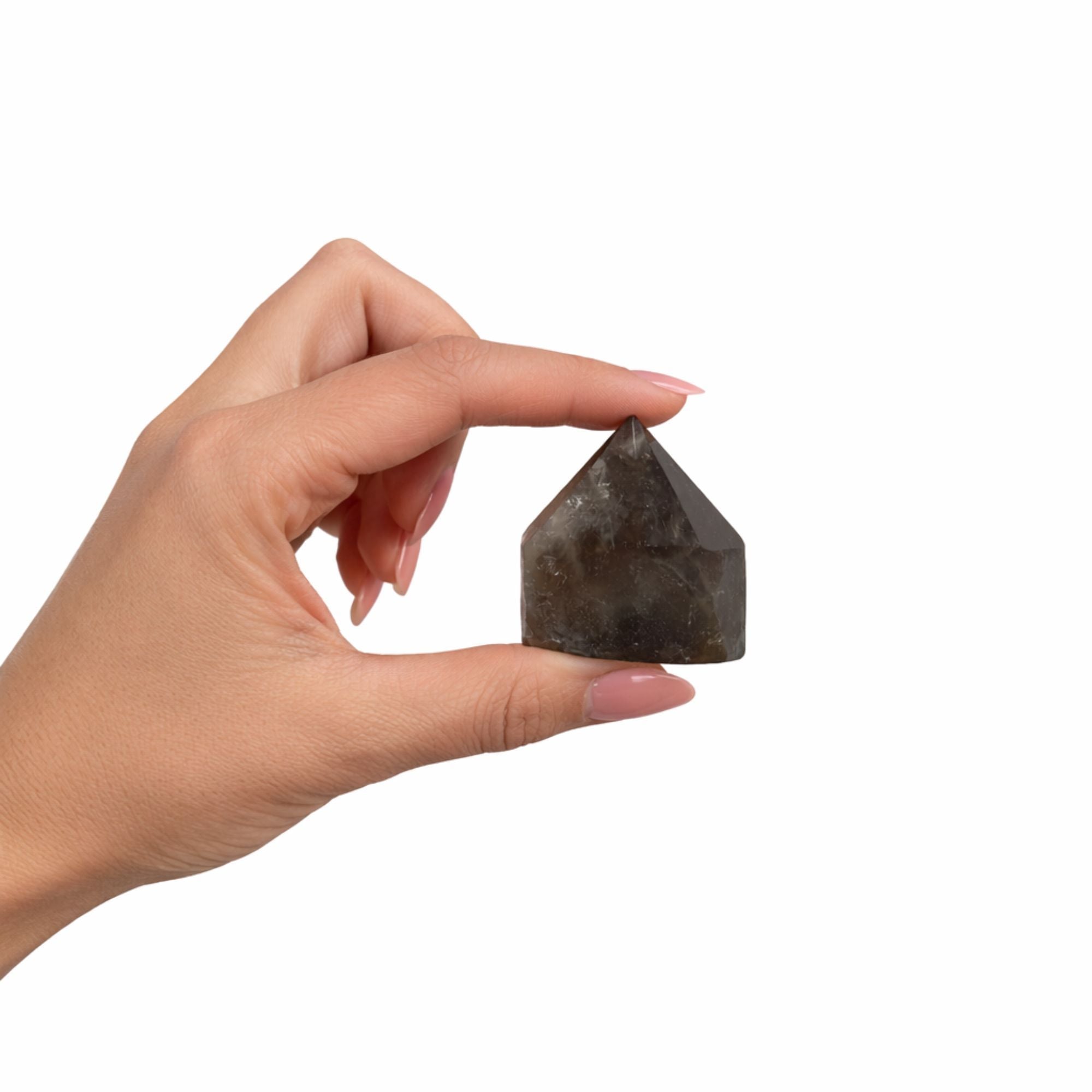
Deep brown, stone of anchoring and patience

Smoky Quartz: Origin, History, Symbolism, and Tradition

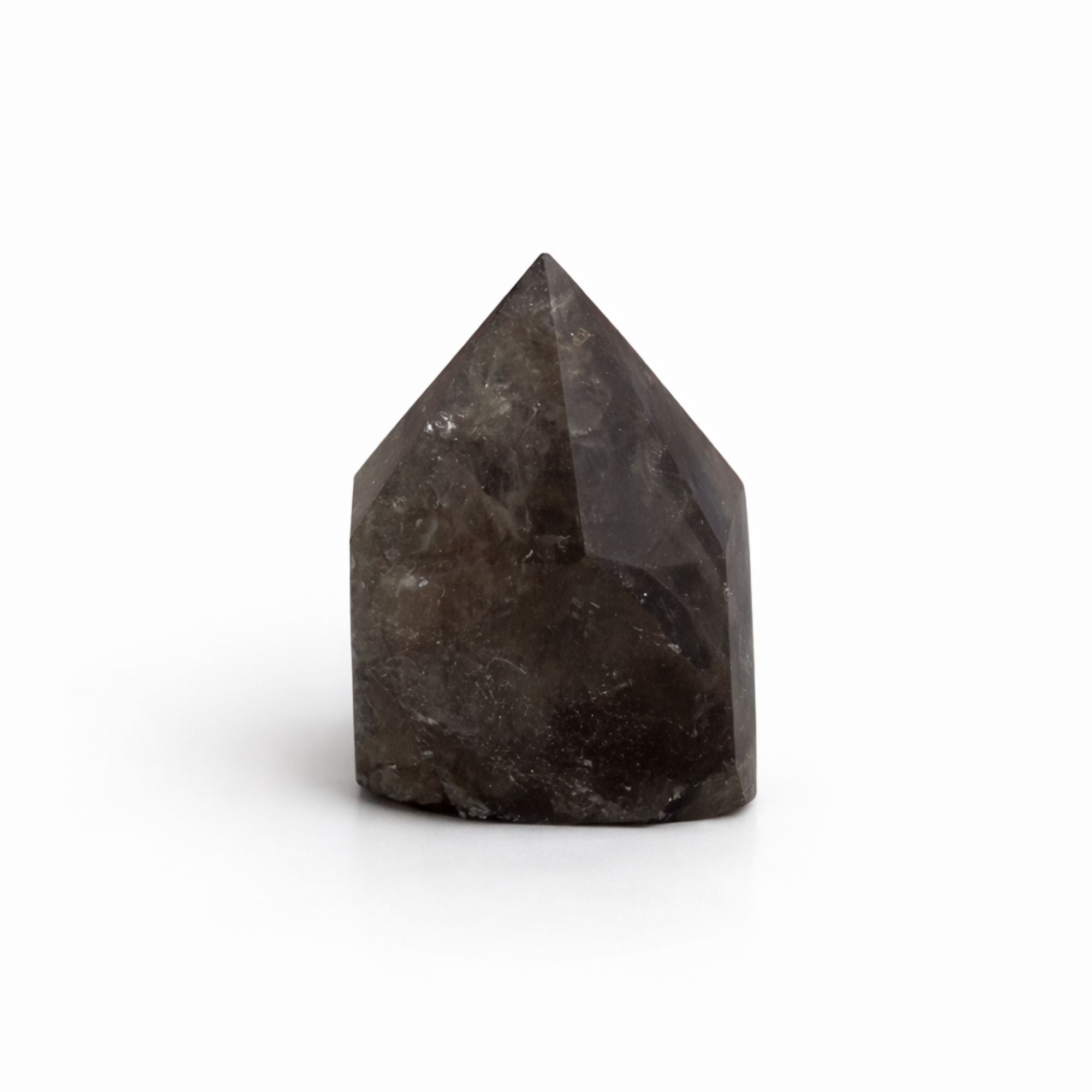
Smoky quartz is a variety of quartz characterized by its brown hue, ranging from light brown to almost black, and deeply rooted in Scottish Highland traditions.

Smoky Quartz at a glance

Mineral group Quartz
Composition Silicon dioxide (SiO₂)
Hardness 7 on the Mohs scale
Crystal system Trigonal
Colors Light brown to dark brown, sometimes almost black
Main origin Brazil, Scotland, Switzerland, Madagascar

History of the stone

Smoky quartz holds a significant place in Scottish Highland traditions, having been used for centuries to adorn the handles of sgian-dubhs (small traditional knives) and clan brooches. Celtic druids are also said to have held it in particular esteem. In the Victorian era, it became extremely popular in mourning jewelry, a trend initiated by Queen Victoria herself after the death of Prince Albert.

Origin & Composition

Smoky quartz is a variety of quartz whose brown color results from prolonged natural exposure to telluric radiation present in certain rocks, which alters the internal structure of the crystal. Some smoky quartz sold commercially is also obtained by artificial irradiation of clear quartz in a laboratory, replicating the effect of natural radiation.

Virtues & Symbolism According to Tradition

Traditional Mental Uses

Traditionally, smoky quartz is associated with grounding and emotional stability. It is believed to absorb accumulated stress and tension, facilitate letting go of recurring negative thoughts, and support patience during difficult or uncertain times.

Traditional physical uses

Internal dimension (tradition)

In traditional representations of the energetic body, smoky quartz is associated with the root chakra, a symbol of deep grounding and protection against negative influences.

Associated astrological sign(s)

In some Western traditions, smoky quartz is sometimes associated with the zodiac signs of Capricorn and Scorpio—a symbolic association to be taken as a wink rather than a rule.

Stone associations

Smoky quartz is traditionally combined in different ways depending on the desired effect:

For grounding:
– Hematite: enhanced stability
– Black Tourmaline: additional protection

For letting go:
– Amethyst: mental calm
– Selenite: clarity and inner lightness

Interview

Physical cleaning: rinsing with clear water and a soft cloth is sufficient. With a hardness of 7 on the Mohs scale, smoky quartz is resistant enough for daily use. Avoid prolonged exposure to the sun, which can slightly fade the color of artificially irradiated pieces.

Symbolism

  • Grounding
  • Emotional stability
  • Letting go
  • Patience

Traditions

Do not confuse with

Natural smoky quartz is sometimes confused with clear quartz artificially irradiated in a laboratory to achieve a similar brown hue. The distinction generally requires gemmological expertise, as the visual difference is very minimal.

Top provenances

Brazil produces the majority of commercial smoky quartz, while Scotland and Switzerland (Alps) are renowned for their historic gem-quality deposits.

Frequently Asked Questions

Why is smoky quartz brown?

Its color results from prolonged natural exposure to telluric radiation present in certain rocks, which modifies the internal structure of the quartz crystal.

Is smoky quartz always natural?

No, some of the smoky quartz sold commercially is obtained through artificial irradiation of clear quartz in a laboratory, a process that reproduces the effect of natural radiation.

What is the difference between smoky quartz and clear quartz?

It is the same mineral, only the color differs due to exposure to natural or artificial radiation.

Is smoky quartz a traditional Scottish stone?
Yes, it holds a significant place in Scottish Highland traditions, used for centuries to adorn the handles of sgian-dubhs and clan brooches.

Did you know?

In the Victorian era, Scottish smoky quartz became extremely popular in mourning jewelry, a trend initiated by Queen Victoria herself after the death of Prince Albert.

Sources & References

Information cross-referenced from general gemology works and Earth science museum resources (National Museum of Natural History, reference works in mineralogy).

The information presented here is for cultural, historical, and decorative purposes only. It does not constitute medical advice or a guarantee of therapeutic effect. In case of physical or psychological distress, consult a healthcare professional.